Procedural lapses, including non-compliance with mandatory requirements, render arrest and detention illegal
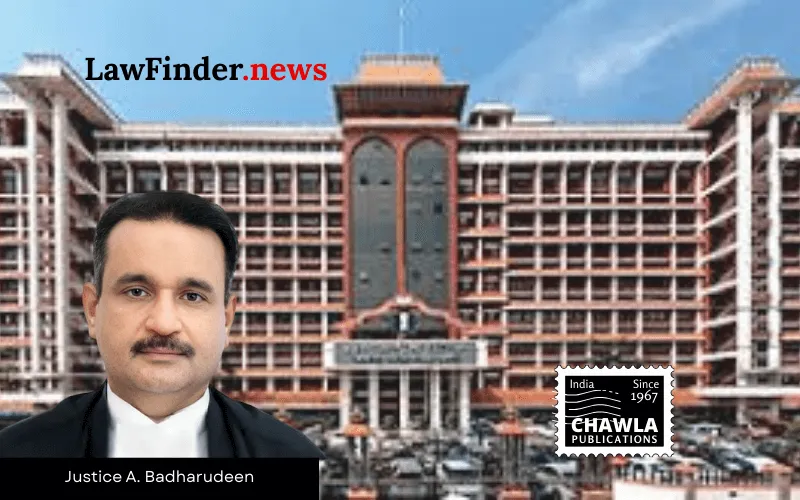
In a landmark decision, the Allahabad High Court has ordered the immediate release of Ashish Tyagi, declaring his arrest and detention under the Central Goods and Services Tax (CGST) Act, 2017, as unconstitutional and illegal. The division bench, comprising Justices Siddharth and Vinai Kumar Dwivedi, delivered the judgment on May 29, 2026, in response to a Habeas Corpus writ petition filed by Tyagi challenging his detention by the Directorate General of GST Intelligence.
The court highlighted significant procedural lapses in Tyagi's arrest and detention, including the absence of specific grounds for arrest in the arrest memo and non-compliance with Circular No. 02/2022-2023 issued by the CGST Department, which mandates the inclusion of a CBIC-DIN on arrest documents. The judgment underscored that the arrest memo failed to disclose critical details such as the place of arrest and the specific grounds for detention, violating legal standards set by the Supreme Court in the case of D.K. Basu vs. State of West Bengal.
Counsel for Tyagi, Anshu Singh and Hemendra Pratap Singh, argued that the arrest memo did not meet statutory requirements and the learned Remand Magistrate overlooked these discrepancies, leading to Tyagi's unlawful detention. The court noted the failure of the respondents to provide adequate rebuttal or present material evidence against the petitioner's claims, further solidifying the case for Tyagi's release.
The court's decision emphasized the importance of adhering to procedural norms in arrest and detention cases to uphold constitutional rights. It directed that while Tyagi should be released immediately, the authorities retain the right to initiate fresh proceedings against him, provided they comply strictly with the law.
This judgment serves as a critical reminder of the judiciary's role in safeguarding individual liberties against administrative overreach and ensuring that legal processes are conducted with transparency and accountability.
Bottom line:-
Habeas Corpus petition allowed against illegal detention under CGST Act, 2017 due to procedural lapses, including non-compliance with mandatory requirements such as providing grounds of arrest, CBIC-DIN on arrest memo, and proper documentation.
Statutory provision(s): Constitution of India, Article 226; CGST Act, 2017, Sections 132(1)(a), 132(1)(f), 132(1)(i); Circular No. 02/2022-2023 of the CGST Department.
Ashish Tyagi v. Director General Of GST Intelligence, (Allahabad)(DB) : Law Finder Doc id # 2917896