Court Overturns Tribunal's Decision, Upholds Circumstantial Evidence in Favor of Deceased's Family
In a significant ruling, the Bombay High Court has overturned the decision of the Railway Claims Tribunal, awarding compensation to the family of a 17-year-old boy who tragically died after falling from a moving train during the Ganesh festival rush. The court found that circumstantial evidence, including statements to police and medical reports, sufficiently proved the occurrence of an "untoward incident" as defined under the Railways Act, 1989.
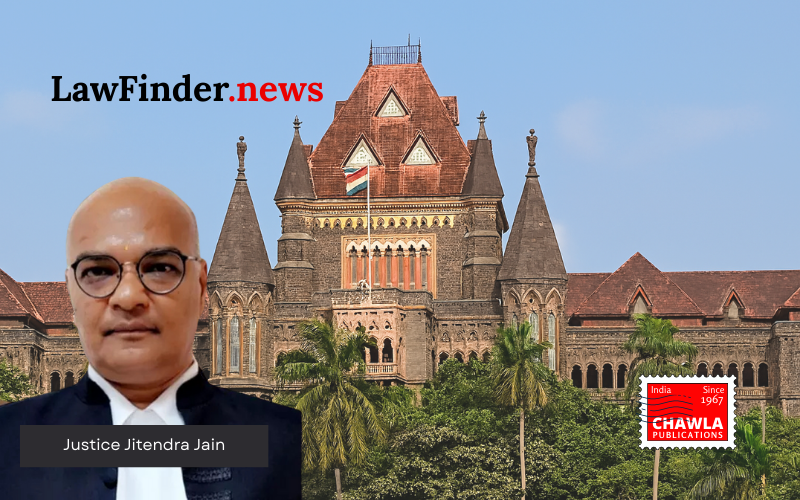
The case, titled Dhondu Sakharam Tambe v. Union Of India, involved the death of Jaideep Tambe who fell from a train between Elphinstone and Lower Parel stations. Despite the Railway Claims Tribunal initially dismissing the family's claim due to lack of official record and questioning the deceased's status as a bonafide passenger, the High Court, presided by Justice Jitendra Jain, ruled otherwise.
Justice Jain emphasized the importance of circumstantial evidence in beneficial legislation like the Railways Act, noting that statements made at the first available instance to police and hospital authorities should be treated as credible. The judgment highlighted the family's immediate priority to save the injured, explaining the absence of immediate reporting to railway officials. The court acknowledged the postmortem report and witness statements as key evidence confirming the untoward incident.
Moreover, the court addressed the deceased's status as a bonafide passenger, accepting evidence from friends who confirmed ticket purchase, and ruled that requiring physical tickets years after the incident is impermissible.
Consequently, the appellants have been awarded Rs.4 lakhs compensation with 6% interest, capped at an aggregate amount of Rs.8 lakhs, to be paid within eight weeks upon furnishing bank details.
This ruling marks a significant interpretation of the Railways Act, 1989, reinforcing the role of circumstantial evidence in securing justice for victims' families in railway accidents.
Bottom Line:
Compensation under Railways Act, 1989 - Circumstantial evidence is sufficient to prove an "untoward incident" if the immediate priority is saving the injured and reporting to railway authorities is delayed.
Statutory provision(s): Railways Act, 1989 Section 124A, Evidence Act, 1872 Section 3
Dhondu Sakharam Tambe v. Union Of India, (Bombay) : Law Finder Doc Id # 2811545