Appellant's False Affidavit Leads to Charges of Perjury and Criminal Contempt
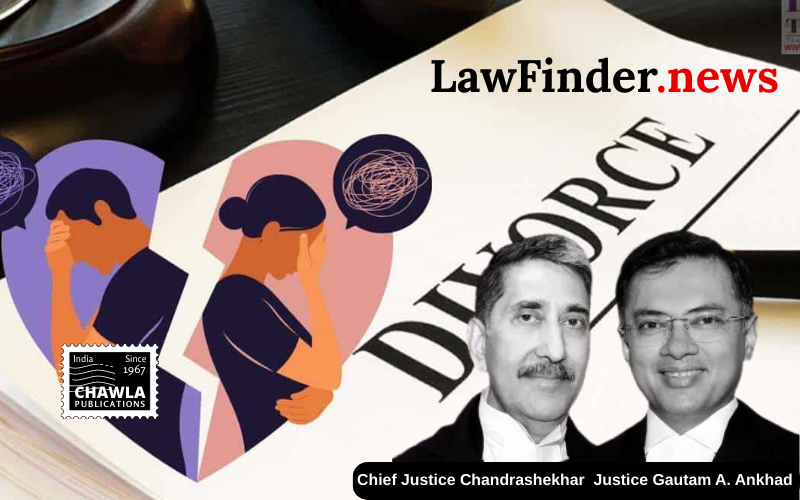
In a landmark judgment, the Bombay High Court has granted a decree of divorce to Yogendra Lahu Bhoir, who sought dissolution of his marriage with Mrs. Prema Yogendra Bhoir on the grounds of cruelty and irretrievable breakdown of marriage. The decision was delivered by a division bench consisting of Chief Justice Shree Chandrashekhar and Justice Gautam A. Ankhad.
The court found that the parties had been living separately since 2012, following a series of litigations initiated by both parties, including allegations of cruelty, desertion, and threats of suicide. The appellant had filed a divorce petition in 2013 after a failed attempt at reconciliation through marriage counseling. Despite multiple proceedings, including the respondent's petition for restitution of conjugal rights, the parties remained estranged.
The appellant's case was strengthened by evidence of mental cruelty, as defined under Section 13(1)(i-a) of the Hindu Marriage Act, 1955, including the respondent's threats of suicide and suspicion. The court observed that a long period of separation constitutes mental cruelty, making the decree of divorce justified.
In a twist, the appellant faced charges of perjury under Section 277 of the Bharatiya Nyaya Sanhita, 2023, and criminal contempt under Section 2(c)(ii) of the Contempt of Courts Act, 1971, for filing a false affidavit claiming he had not remarried. A police inquiry revealed that he was living with another woman and their child, further complicating the proceedings.
The judgment also included settlement terms, directing the appellant to transfer ownership of two properties, gold, and pay Rs. 25,00,000 as full and final settlement to the respondent. The court emphasized that the continuation of the marriage would only perpetuate cruelty and mental agony for both parties.
This decision sets a precedent for cases involving irretrievable breakdown of marriage, highlighting the judiciary's willingness to acknowledge long separations and multiple litigations as valid grounds for divorce. The judgment underscores the importance of truthful affidavits in court proceedings, as false claims can lead to severe legal consequences.
Bottom Line:
Divorce decree granted on grounds of cruelty and irretrievable breakdown of marriage. False affidavit filed by appellant amounts to perjury under Section 277 of Bharatiya Nyaya Sanhita, 2023 and criminal contempt under Contempt of Courts Act, 1971.
Statutory provision(s): Hindu Marriage Act, 1955 Section 13(1)(i-a), Bharatiya Nyaya Sanhita, 2023 Section 277, Contempt of Courts Act, 1971 Section 2(c)(ii)
Yogendra Lahu Bhoir v. Mrs. Prema Yogendra Bhoir, (Bombay)(DB) : Law Finder Doc Id # 2810717