Court emphasizes strict adherence to statutory provisions under Bharatiya Nagarik Suraksha Sanhita, 2023
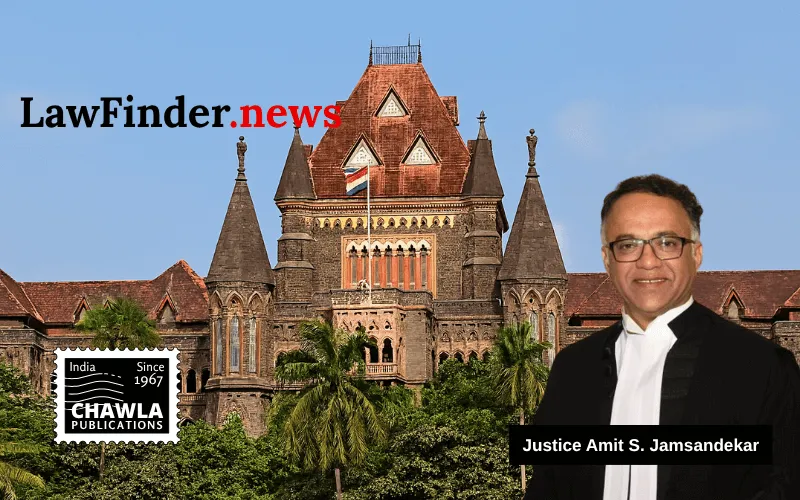
In a significant ruling, the Bombay High Court (Goa Bench) has quashed multiple notices issued by Executive Magistrates under Section 126 of the Bharatiya Nagarik Suraksha Sanhita, 2023 (BNSS), citing failure to comply with mandatory procedural requirements. The judgment, delivered by Justice Amit S. Jamsandekar, underscores the necessity for Executive Magistrates to adhere strictly to statutory provisions, particularly the requirement for passing written orders under Section 130 before issuing notices.
The case involved six Criminal Writ Petitions where the petitioners, represented by various advocates, challenged the validity of show cause notices issued by the Deputy Collector, SDO, and SDM of respective jurisdictions under Section 126 of the BNSS. The petitioners argued that these notices were issued without the requisite written orders under Section 130, which should reflect the Magistrate's opinion on the sufficiency of grounds for proceedings.
The court agreed with the petitioners, pointing out that the magistrates had issued cyclostyled notices that failed to meet statutory requirements. Justice Jamsandekar emphasized that procedural safeguards are essential to protect personal liberty, and notices cannot substitute for the written orders mandated by law. The judgment referenced previous rulings, including Jitendra R. Deshprabhu v. Executive Magistrate, Rajesh Suryabhan Nayak v. State of Maharashtra, and Tukaram Bharat Parab v. State, which had similarly criticized mechanical compliance with procedural mandates.
Justice Jamsandekar clarified that the statutory scheme under the BNSS demands a specific process be followed when dealing with personal liberty, reinforcing that each case requires individual consideration based on its unique facts and circumstances. The court highlighted the importance of recording the substance of information received and the magistrate's opinion in written orders under Section 130, which are integral to the lawful exercise of power under Section 126.
The ruling mandates that Executive Magistrates must pass orders in writing, setting forth the substance of the information received, before issuing any notices under Section 126. It also stipulates that such orders must be based on a careful consideration of the sufficiency and fitness of sureties, as detailed in Section 130.
In conclusion, the court quashed the impugned notices and the proceedings initiated under them, recognizing the serious prejudice caused to the petitioners and the impact on their liberty. This judgment serves as a reminder of the judiciary's role in ensuring that executive actions comply with legal standards, especially concerning individual rights and freedoms.
The case reaffirms the judiciary's commitment to upholding the rule of law and protecting citizens from arbitrary executive actions, reinforcing the necessity for strict compliance with statutory provisions.
Bottom Line:
Executive Magistrates must strictly comply with procedural requirements under the Bharatiya Nagarik Suraksha Sanhita, 2023 (BNSS), including passing written orders under Section 130, setting forth the substance of the information received, before issuing notices under Section 126. Cyclostyled or mechanical notices cannot substitute for statutory compliance.
Statutory provision(s): Bharatiya Nagarik Suraksha Sanhita, 2023 Sections 126, 130, 131, 133
Shri. Chandan Patekar v. State of Goa, (Bombay)(Goa Bench) : Law Finder Doc id # 2879058