Court rules against Maheshkumar Garodia's writ petitions, emphasizing public interest in Metro Line-6 development over private land claims.
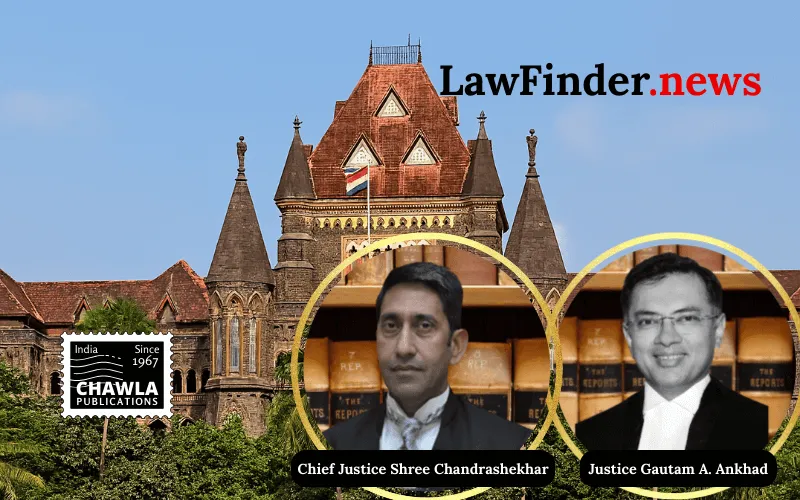
In a significant ruling with implications for urban infrastructure development, the Bombay High Court has dismissed writ petitions filed by Maheshkumar Gordhandas Garodia challenging the termination of his leasehold rights over lands earmarked for the Mumbai Metro Line-6 project. The division bench of Chief Justice Shree Chandrashekhar and Justice Gautam A. Ankhad emphasized that disputes involving terminated lease agreements are not suitable for writ jurisdiction and are better addressed in civil courts.
The petitioner, Maheshkumar Garodia, claimed leasehold rights to lands known as Arthur Salt Works and Jenkins Salt Works, originally granted through indentures dating back to 1922. Garodia's challenge centered on orders terminating these lease agreements and subsequent government decisions to allocate the land for the Metro project, a move he argued was arbitrary and in violation of interim orders protecting his possession.
The court, however, underscored that writ petitions are not maintainable for enforcing rights under terminated leases, especially in complex cases requiring detailed evidence examination. It further noted that the public interest in developing Metro Line-6, a project aimed at alleviating Mumbai's traffic congestion and providing sustainable urban transport, outweighs private leasehold claims.
Central to the court's decision was the application of the Specific Relief Act, 1963, particularly Sections 20A(1) and 41(ha), which prioritize public welfare projects over private claims. The court observed that the lease agreements had expired, and subsequent changes in government policy mandated fresh tenders for land allocations, aligning with broader public infrastructure goals.
The judgment also highlighted procedural aspects, noting that the petitioner had not demonstrated a subsisting legal right post-lease termination, nor had he shown any breach of due process in the government's actions. The court dismissed Garodia's petitions, thus clearing a significant legal obstacle for the Metro Line-6 project, which has already seen substantial investment and progress.
The ruling reinforces the judiciary's stance on balancing private property rights with public interest, particularly in urban development contexts where infrastructure projects serve a larger population. The decision is expected to facilitate the timely completion of the Metro project, projected to benefit over 800,000 commuters by 2031.
Bottom Line:
Lease agreements and property rights - The writ petitions challenging lease termination and government orders related to property allotment for public infrastructure projects dismissed due to lack of maintainability in writ jurisdiction and subsistence of lease rights.
Statutory provision(s):
Article 226 of the Constitution of India, Specific Relief Act, 1963 Sections 20A(1) and 41(ha), Transfer of Property Act Section 113, Government Grants Act, 1895.
Maheshkumar Gordhandas Garodia v. State of Maharashtra, (Bombay)(DB) : Law Finder Doc id # 2853822