Acquittal based on unreliable identification evidence and lack of corroborative forensic evidence.
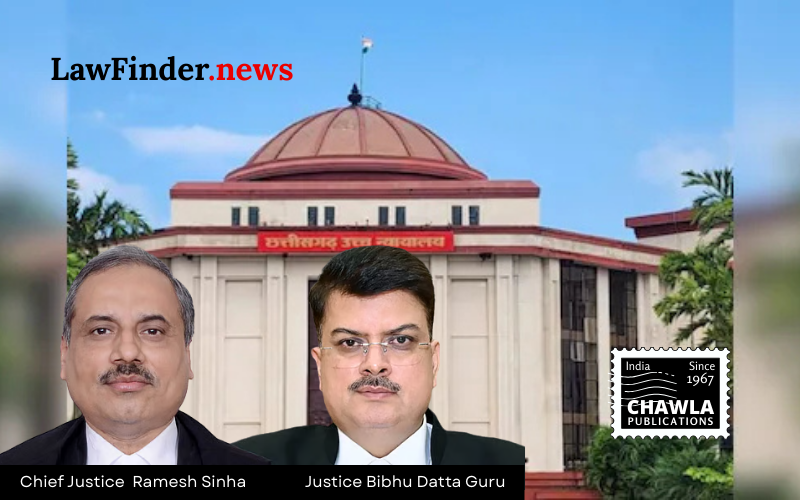
In a significant ruling, the Chhattisgarh High Court has acquitted Prasen Kumar Bhargav, accused of multiple charges including abduction and sexual assault under the Protection of Children from Sexual Offences (POCSO) Act, due to serious doubts about his identity as the perpetrator. The Division Bench, comprising Chief Justice Ramesh Sinha and Justice Bibhu Datta Guru, delivered the judgment on November 20, 2025, overturning the conviction and sentence handed down by the trial court.
The case stemmed from an incident on September 27, 2019, where an 11-year-old girl was allegedly abducted and sexually assaulted. The trial court had convicted Bhargav based on the victim’s identification during a Test Identification Parade (TIP) and subsequent in-court identification. However, the High Court found these identifications unreliable due to procedural lapses and prior exposure of the accused to witnesses.
The court noted that the TIP was conducted improperly, without adhering to established safeguards, and was compromised by the accused being shown to the victim and other witnesses before the parade. Furthermore, the TIP lacked independent corroboration, rendering it insufficient to convict Bhargav. The High Court emphasized that identification evidence, especially when involving a stranger, must be free from any suggestiveness and corroborated by other evidence.
Additionally, the court highlighted the absence of a forensic link between the accused and the crime. The prosecution failed to present conclusive forensic evidence, such as DNA or biological material, connecting Bhargav to the offense. The electronic evidence, including CCTV footage, was deemed inadmissible due to non-compliance with the requirements for electronic records under the Indian Evidence Act.
The court also pointed out inconsistencies in the victim's testimony and other prosecution witnesses, which further weakened the case against Bhargav. In light of these deficiencies, the court concluded that the prosecution did not prove Bhargav’s guilt beyond reasonable doubt, a fundamental requirement in criminal law.
The judgment underscores the importance of adhering to procedural safeguards in identification parades and the necessity of corroborative evidence in cases relying heavily on witness identification. This decision serves as a reminder of the judiciary's role in ensuring that convictions are based on solid and reliable evidence, especially in sensitive cases involving minors.
Bottom Line:
Acquittal - Benefit of doubt must go to the accused where identity is not proven beyond reasonable doubt, and corroborative evidence is lacking.
Statutory provision(s): Indian Penal Code Sections 363, 376, 450, 506-II; Protection of Children from Sexual Offences (POCSO) Act, 2012 Section 6; Indian Evidence Act, 1872 Sections 9, 45; Criminal Procedure Code Section 374(2).
Prasen Kumar Bhargav v. State of Chhattisgarh, (Chhattisgarh)(DB) : Law Finder Doc Id # 2811768