Charitable Distribution of Medicines During Pandemic Deemed Exempt from Prosecution Under Drugs and Cosmetics Act
In a significant ruling, the Delhi High Court has quashed the criminal complaint against M/s. Gautam Gambhir Foundation and its trustees concerning the distribution of Favipiravir tablets and medical oxygen during the COVID-19 pandemic. The complaint had alleged violations under the Drugs and Cosmetics Act, 1940, specifically Section 18(c) read with Section 27(b)(ii), which pertain to the unlicensed stocking and distribution of drugs.
The case arose during the catastrophic second wave of COVID-19 in April-May 2021, when healthcare systems in Delhi were overwhelmed. In response, the Gautam Gambhir Foundation organized a free medical camp in collaboration with M/s. Garg Hospital. The foundation procured Favipiravir tablets and medical oxygen from licensed dealers and distributed them free of charge under medical supervision to address the dire public health emergency.
The initial complaint filed by the Drugs Control Department alleged that the foundation's actions amounted to illegal distribution without a proper license. However, the petitioners argued that their actions were purely charitable, undertaken in good faith without any commercial intent, and thus exempt under Entry 5 of Schedule K of the Drugs and Cosmetics Rules, 1945.
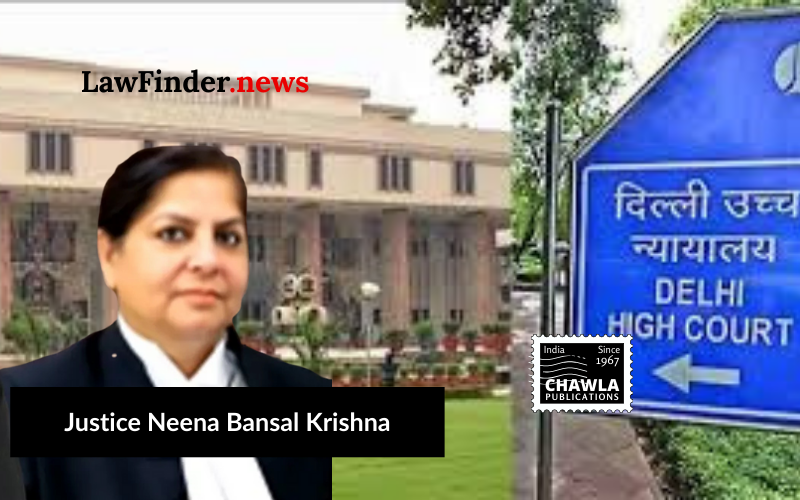
Justice Neena Bansal Krishna, presiding over the case, highlighted that the foundation's activities were humanitarian and aligned with the exemptions provided under the law. The court emphasized that the distribution was under medical supervision, complied with statutory conditions, and was devoid of any commercial intent or mens rea. The court noted that the initial status reports by both the Delhi Police and the Drugs Control Department had found no cognizable offence, indicating the voluntary and non-discriminatory nature of the foundation's actions.
Furthermore, the court underscored the importance of Section 19(3) of the Drugs and Cosmetics Act, which provides a statutory defense for entities that act in good faith, acquire drugs from licensed sources, and comply with proper storage protocols. The judgment also referred to Supreme Court precedents that clarify the absence of criminal intent in cases of non-commercial distribution of drugs.
Justice Krishna concluded that continuing the prosecution would constitute an abuse of the legal process, potentially discouraging individuals and organizations from providing much-needed relief during public health crises. The court's decision to quash the complaint and related proceedings, including the summoning orders, was seen as a reaffirmation of the legal protections afforded to charitable actions under the law.
Bottom Line:
Charitable distribution of unlicensed drugs during a public health emergency, under medical supervision, and without commercial intent, can be exempted from prosecution under the Drugs and Cosmetics Act, 1940, subject to compliance with statutory conditions.
Statutory provision(s): Drugs and Cosmetics Act, 1940 Sections 18(c), 27(b)(ii), 19(3); Criminal Procedure Code, 1973 - Section 482; Drugs and Cosmetics Rules, 1945 - Schedule K, Entry 5.
M/s. Gautam Gambhir Foundation v. State of NCT of Delhi, (Delhi) : Law Finder Doc Id # 2811828