Bombay High Court Quashes Proceedings Against Non-Executive Director in Cheque Dishonor Case Court emphasizes mandatory inquiry and specific allegations for vicarious liability under NI Act
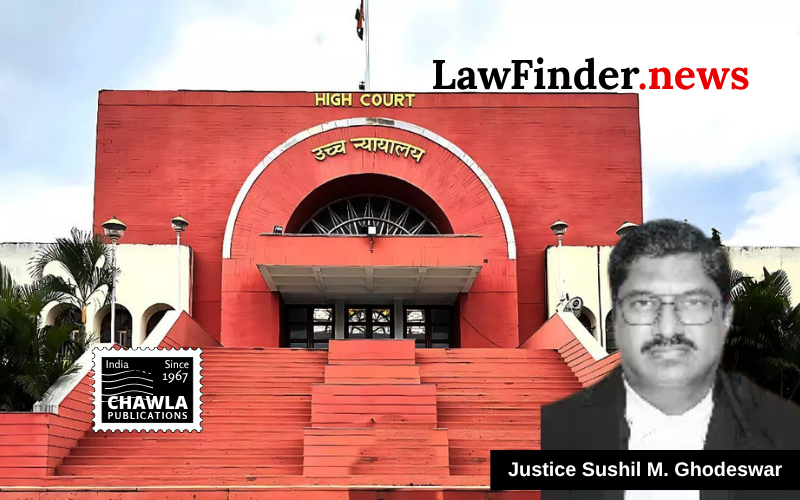
In a significant judgment, the Bombay High Court (Aurangabad Bench), under the aegis of Justice Sushil M. Ghodeswar, has quashed proceedings against Parth, a non-executive director, in a case involving cheque dishonor under Section 138 of the Negotiable Instruments Act, 1881. The court ruled that the order of issuance of process against Parth was invalid due to non-compliance with mandatory inquiry requirements under Section 202 of the Criminal Procedure Code (CrPC).
The case emerged from a private complaint filed by the respondent, alleging that Parth, along with other directors, was responsible for the dishonor of two cheques amounting to over Rs. 1.6 crore issued by the company. The cheques were dishonored when presented, leading to the initiation of legal proceedings. However, Parth challenged the proceedings, arguing that he was not involved in the day-to-day affairs of the company and had not signed the cheques in question.
In its judgment, the High Court underscored that for a non-executive director to be held vicariously liable under Section 141 of the NI Act, the complaint must specifically aver the director's responsibility in the conduct of the company's business. The absence of such specific averments and reliance on general accusations were deemed insufficient for prosecution.
Justice Ghodeswar pointed out that the process issued by the Judicial Magistrate, First Class, Aurangabad, was not duly signed, and no inquiry was conducted as mandated by Section 202 CrPC, which is essential when the accused resides outside the jurisdiction of the magistrate. Citing previous judgments, the court reiterated that vicarious liability requires clear and specific allegations attributing responsibility to the accused at the time the offense was committed.
The court's decision highlights the judiciary's insistence on adherence to procedural mandates and the necessity for detailed allegations in complaints involving company directors. By quashing the proceedings, the court has set a precedent emphasizing the need for due diligence and specificity in legal complaints under the NI Act.
Bottom Line:
Non-executive director of a company cannot be held vicariously liable for cheque dishonor under Section 138 of the NI Act unless specific averments are made in the complaint establishing that the director was in charge of and responsible for the company's conduct of business.
Statutory provision(s):
Negotiable Instruments Act, 1881 - Section 138, Section 141
Criminal Procedure Code, 1973 - Section 202, Section 482
Constitution of India - Article 227
Parth v. State of Maharashtra, (Bombay)(Aurangabad Bench) : Law Finder Doc Id # 2805173