Analyzing the Supreme Court's Judgment in United Bank of India v. Swapan Kumar Mullick
In a recent ruling by the Supreme Court of India, brought to the forefront significant issues concerning pension regulations, particularly the distinction between resignation and voluntary retirement under service law.
Understanding the Case Context
Swapan Kumar Mullick, a long-serving employee of the United Bank of India, resigned in 2006 citing mental depression. Later, he sought pension benefits under the bank's pension scheme, which was denied based on his resignation status. The pivotal question was whether Mullick's resignation, driven by mental health issues, should be construed as voluntary retirement for pension eligibility.
Legal Distinctions and Court's Interpretation
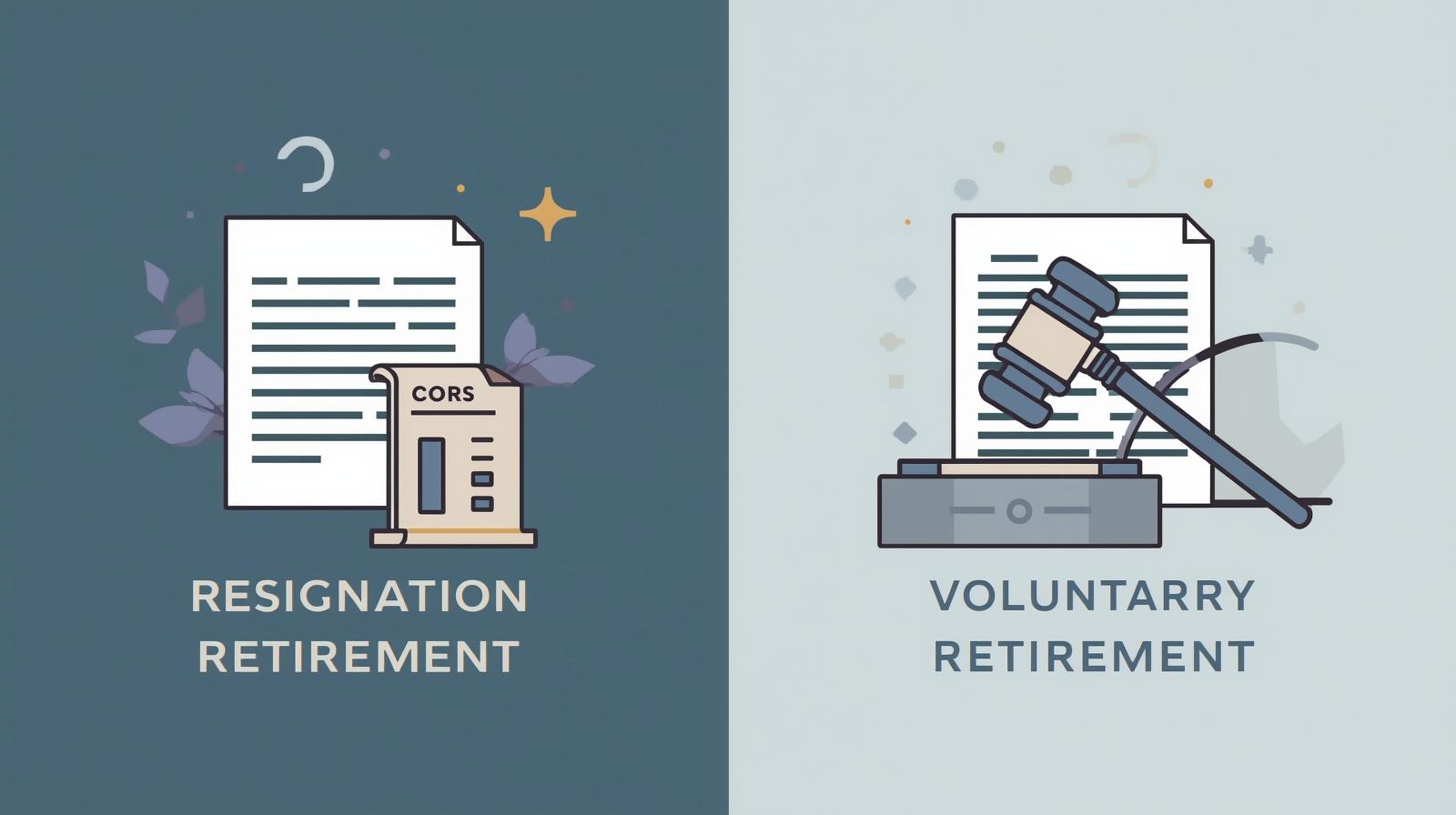
The Supreme Court, in its analysis, emphasized the jurisprudential distinction between resignation and voluntary retirement. As per the United Bank of India (Employees') Pension Regulations, 1995, resignation results in the forfeiture of past service, whereas voluntary retirement allows for the continuation of service benefits, including pension.
The judgment reiterated that resignation and voluntary retirement are distinct concepts with different legal consequences. Resignation implies a voluntary relinquishment of service at any time, often leading to the loss of retiral benefits. In contrast, voluntary retirement is typically contingent on meeting specific service conditions and does not entail such forfeiture.
Judicial Review and Policy Considerations
The court's decision also touched upon the role of judicial review concerning policy decisions embedded in pension regulations. It underscored that courts should refrain from questioning the wisdom of such policies unless they transgress constitutional or statutory limits. Regulation 22, which disqualifies employees resigning from service from pensionary benefits, was upheld as it did not offend Article 14 of the Constitution, which ensures equality before the law.
Relief under Article 142: A Humanitarian Approach
Recognizing Mullick's long and blemish-free service, the court exercised its power under Article 142 of the Constitution to extend a unique relief. It allowed Mullick to opt for pension under a subsequent bipartite settlement, subject to specific terms. Alternatively, a financial relief of Rs. 5,00,000 was granted to ensure his dignity in the later years of life.
Conclusion
This judgment highlights the nuanced interpretation of service laws, particularly in distinguishing resignation from voluntary retirement in the context of pension regulations. It reaffirms the judiciary's cautious approach in reviewing policy decisions while balancing equitable relief for individuals facing extraordinary circumstances. The case serves as a critical reference for understanding how Indian courts navigate complex intersections of service law and social welfare measures.
United Bank of India v. Swapan Kumar Mullick, (SC) : Law Finder Doc Id # 2753199