The court ruled against the Insurance Company's claim of contributory negligence due to lack of evidence and increased compensation for the deceased's family.
In a significant ruling, the Gujarat High Court has overturned a previous decision attributing 20% contributory negligence to a deceased motorcyclist in a 2006 motor accident case. The court found that the insurance company failed to provide sufficient evidence to support the claim of contributory negligence, resulting in the annulment of this finding and an enhancement of the compensation awarded to the deceased's family.
The case involved an appeal by the family of Sunilbhai Jesabhai Gamit, who died in a tragic collision with a truck in January 2006. The Motor Accident Claims Tribunal at Surat had earlier awarded the family Rs. 8,00,960 with 9% interest per annum but attributed 20% negligence to the deceased, reducing the compensation accordingly.
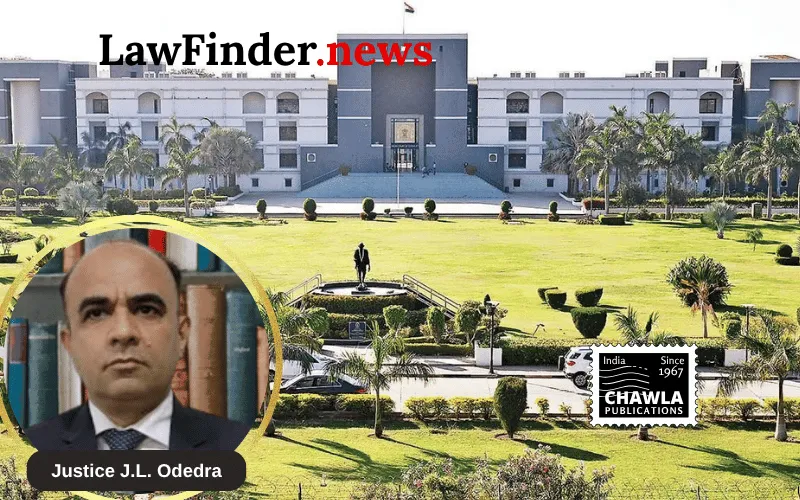
The High Court, presided by Justice J.L. Odedra, found that the Tribunal's reliance on a Panchnama was insufficient to establish negligence on the part of the deceased. The court highlighted that the Insurance Company, tasked with proving contributory negligence, did not examine the truck driver nor provided substantial evidence beyond the Panchnama. The judgment emphasized that vehicle damage alone does not ascertain speed or fault, especially without scientific backing or a proper examination of the involved parties.
Additionally, the court addressed the inadequacies in the compensation awarded by the Tribunal. Applying the Supreme Court’s guidelines from the 2017 judgment in National Insurance Company Limited v. Pranay Sethi, the High Court enhanced the compensation for loss of consortium, loss of estate, and funeral expenses. The revised compensation amounted to Rs. 11,52,900, a notable increase from the Tribunal's initial award, with the additional sum of Rs. 3,51,940 to be paid with 9% interest from the date of the claim petition.
The Insurance Company has been directed to deposit the enhanced amount within eight weeks, which will be disbursed to the deceased's family without any delay or requirement for fixed deposit receipts.
This judgment underscores the judiciary's scrutiny over insurance claims and emphasizes the need for substantial evidence in attributing negligence. It also reaffirms the court's role in ensuring just compensation for victims' families, aligning with established legal precedents.
Bottom Line:
Motor Accident Claims - Contributory negligence of deceased motorcyclist set aside due to lack of evidence from the Insurance Company - Compensation enhanced based on established guidelines.
Statutory provision(s): Motor Accident Claims, Contributory Negligence, Compensation Laws, Supreme Court Judgment in National Insurance Company Limited v. Pranay Sethi (2017) 16 SCC 680.