Railways Act Ensures Compensation for Workers under Contractual Arrangements, Dismissing Claims of Self-Inflicted Injury
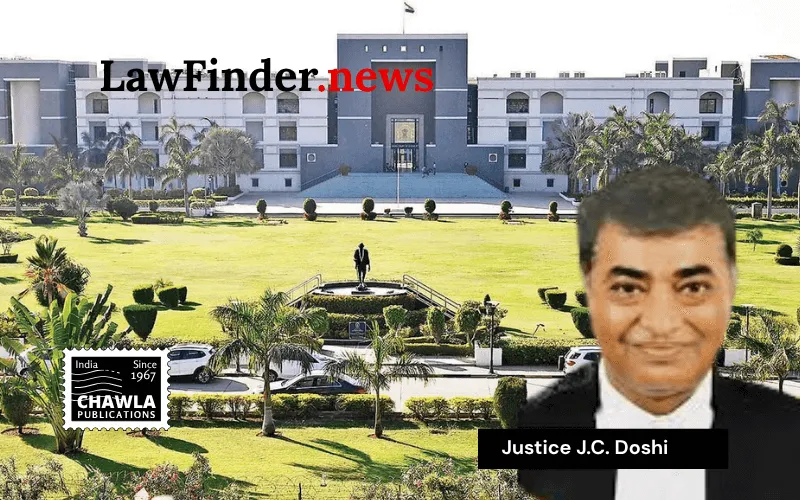
In a significant ruling, the Gujarat High Court, presided over by Justice J.C. Doshi, has upheld the decision of the Railway Claims Tribunal, Ahmedabad Branch, to award compensation to the dependents of Hariprasad Gupta, a catering waiter who died in an untoward railway incident. The court dismissed the appeal filed by the Union of India, affirming the Tribunal's grant of Rs. 8,00,000 with 9% interest for the unfortunate death of Mr. Gupta.
The case revolves around the tragic incident on the night of June 28-29, 2018, when Mr. Gupta, employed by an outsourced catering agency under a contractual arrangement with the Indian Railways, fell from a running train near Chamaraj Railway Station. The Railways contended that the incident was self-inflicted, arguing that the expired ID card invalidated his status as a railway servant. However, the court refuted these claims, citing the strict liability provisions under Sections 124 and 124A of the Railways Act, 1989.
Justice Doshi emphasized that the Railways Act, being a welfare legislation, mandates a liberal interpretation to ensure compensation for victims of untoward incidents, regardless of contributory negligence. The court relied on precedents, notably Union of India v. Prabhakaran Vijaya Kumar and Union of India v. Rina Devi, to reinforce the notion of "no fault" liability, which excludes contributory negligence as a defense.
The court also addressed the argument concerning Mr. Gupta's employment status, noting that the ID card's expiry did not negate his employment or the contractual relationship between the Railways and the catering agency. The judgment underlines that employees of outsourced agencies performing duties integral to railway operations are deemed railway servants on duty, eligible for compensation under the Act.
This decision reaffirms the judiciary's commitment to protecting workers' rights under contractual arrangements with public enterprises and highlights the importance of strict liability in ensuring justice for victims of railway incidents.
Bottom line:-
Railways Act, 1989 - Catering staff employed by outsourced agency under a contractual arrangement with Indian Railways deemed to be railway servants on duty for the purpose of compensation. Strict liability under Section 124-A applies even in cases of alleged contributory negligence.
Statutory provision(s): Railways Act, 1989 Sections 124, 124A, Indian Railway Claim Tribunal Act, 1987 Section 23
Union of India v. Meenadevi, (Gujarat) : Law Finder Doc id # 2928697