Madras High Court Quashes Notices Imposing Commercial Tariff on Hostels. Court rules hostels serving economically weaker sections should be classified under residential tariff, citing violation of natural justice.
In a landmark decision, the Madras High Court has quashed notices demanding commercial tariff rates for property tax, water tax, and electricity charges from hostels serving economically weaker sections. The judgment came in response to multiple writ petitions filed by hostel owners, including Mrs. M. Divya, who argued that their premises were used exclusively for residential purposes and should not be subjected to commercial tariffs.
The petitioners contended that their hostels provide accommodation for sleeping and daily living activities, qualifying them as residential units. They emphasized that converting the properties from residential to commercial tariff without prior notice was a violation of the principles of natural justice. The court concurred, highlighting that the essence of residence is defined by the use of any portion of a property as a sleeping apartment, a criterion met by the hostels.
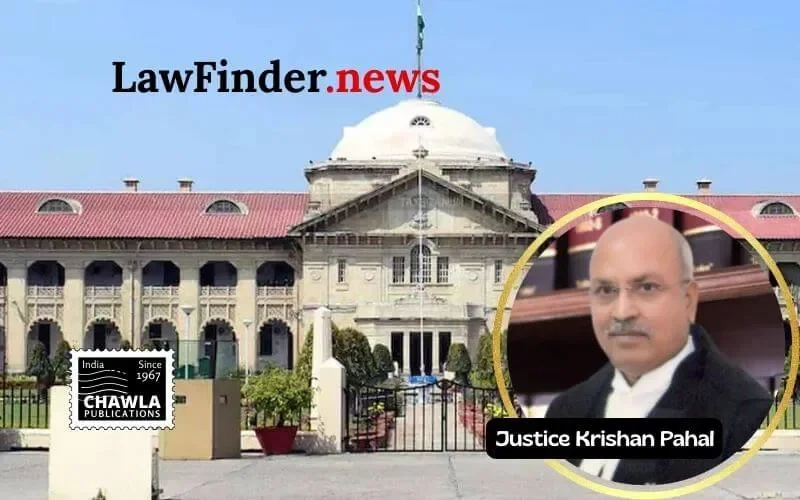
Justice Krishnan Ramasamy ruled that the conversion of tariff without notice violated natural justice principles, and therefore, the impugned notices were liable to be quashed. The court directed the respondents, including the Senior Revenue Officer of the Greater Chennai Corporation, to treat the petitioners' properties as residential units and levy taxes accordingly.
This decision underscores the importance of assessing the nature of property use from the perspective of the service recipient rather than the service provider. The ruling is expected to significantly impact hostels catering to the economically weaker sections, ensuring they are not unfairly burdened by commercial tariffs. The judgment also reinforces the idea that legal decisions should strive to protect the interests of the less privileged and avoid discriminatory practices.
The court's ruling aligns with previous judgments, including a related case concerning GST exemptions for residential dwelling units. The Madras High Court had earlier clarified that hostels serving as residential accommodations for students and working individuals fall within the ambit of residential dwelling units, exempt from GST under specific notifications.
This judgment sets a precedent for similar cases and serves as a reminder of the judiciary's role in safeguarding equitable practices in taxation. However, the court noted that this decision applies specifically to the cases at hand and should not be blindly followed by all hostels unless similar conditions are substantiated before appropriate authorities.
Bottom Line:
Hostels used by working individuals and students as residential accommodations should be classified under residential tariff for property tax, water tax, and electricity charges, and not commercial tariff.
Statutory provision(s):
- - Coimbatore City Municipal Corporation Act, 1981, Section 2(36)
- - Chennai City Municipal Corporation Act, 1919, Section 2(23)
- - Tamil Nadu Urban Local Bodies Act, 1998, Section 100
- - Tamil Nadu Hostels and Homes for Women and Children (Regulation) Act, 2014, Section 2(e)
- - Notification No.12/2017-Central Tax (Rate)
- - Articles 14 and 19(1)(8) of the Constitution of India