Magistrates Can Revoke Orders and Drop Proceedings in Domestic Violence Cases, Rules High Court
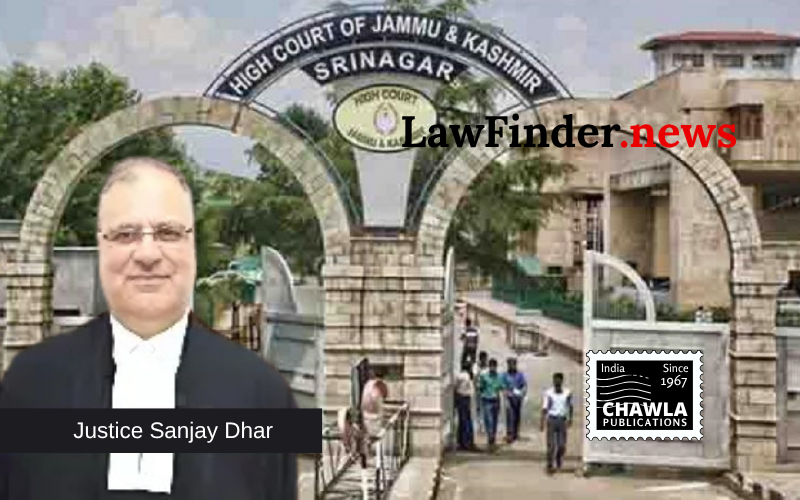
In a significant ruling, the Jammu and Kashmir High Court has clarified the powers of magistrates in handling cases under the Protection of Women from Domestic Violence Act, 2005. The court, presided over by Justice Sanjay Dhar, delivered its decision on November 8, 2025, concerning the proceedings initiated by Naziya Hassan against her husband, Reyaz Ahmad Lone, and his relatives.
The case revolved around allegations of domestic violence filed by Naziya Hassan, who claimed continuous harassment and torture by her husband and his family. The respondents had filed a petition under Section 12 of the Domestic Violence Act, leading to an order by the Judicial Magistrate directing Reyaz Ahmad Lone to pay monetary compensation and monthly rentals to Naziya Hassan and her daughter.
The petitioners, represented by Advocate Mr. Salih Pirzada, challenged the proceedings, arguing the lack of specific allegations against individual family members and contending that the proceedings were vexatious and aimed at coercing a compromise.
The High Court, in its judgment, emphasized that proceedings under Section 12 of the Domestic Violence Act are not strictly criminal in nature. Consequently, magistrates have the authority to revoke orders or drop proceedings if, after considering responses from the accused, it is found that they have been unnecessarily implicated. The court noted that the bar on altering or revoking orders by a magistrate does not apply to these proceedings.
Justice Dhar highlighted the legal position that allows magistrates to reconsider interim monetary compensation orders and potentially drop proceedings after reviewing the responses from the accused. The court referred to the Supreme Court judgment in Kamatchi v. Lakshmi Narayanan, which supports this view, distinguishing the nature of notices under Section 12 of the Domestic Violence Act from typical criminal proceedings.
The High Court directed that the petitioners are entitled to file an application before the trial magistrate seeking to drop the proceedings. The magistrate is expected to resolve such applications expeditiously, ideally within a month.
Additionally, the court provided interim relief by staying further proceedings against Reyaz Ahmad Lone's relatives, pending the magistrate's decision on the application to drop the proceedings.
This ruling underscores the discretionary powers of magistrates in domestic violence cases, enabling them to ensure that justice is served while preventing unnecessary legal harassment of individuals who may be wrongfully implicated.
Bottom Line:
Proceedings under Section 12 of the Protection of Women from Domestic Violence Act, 2005 are not strictly criminal in nature, and a Magistrate has the authority to drop proceedings or revoke orders after considering responses from the accused parties.
Statutory provision(s): Protection of Women from Domestic Violence Act, 2005, Section 12
Reyaz Ahmad Lone v. Naziya Hassan, (Jammu And Kashmir)(Srinagar) : Law Finder Doc Id # 2812806