Dealers in Brick Trade Must Comply with Jammu and Kashmir Brick Kiln Regulation Act, 2010
In a landmark judgment, the Jammu and Kashmir High Court has affirmed the applicability of the Jammu and Kashmir Brick Kiln (Regulation) Act, 2010 to both manufacturers and dealers in the brick trade. The ruling came in response to a writ petition filed by Kehar Singh and others challenging the orders issued by the District Magistrates of Kathua and Samba which directed the seizure of vehicles transporting bricks imported from outside the Union Territory without valid licenses.
The petitioners argued that the Act and its associated rules were intended solely for manufacturers operating brick kilns within Jammu and Kashmir and should not extend to dealers handling bricks from other states. They contended that the orders violated their fundamental right to trade under Article 19(1)(g) of the Constitution.
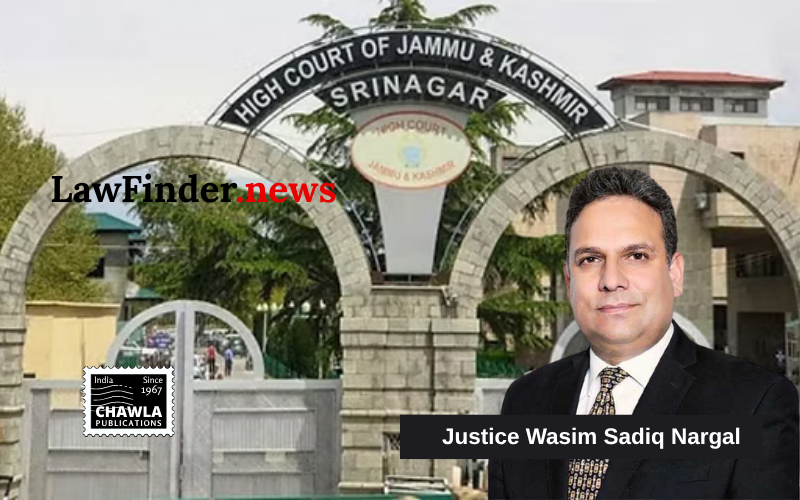
However, the High Court, presided over by Justice Wasim Sadiq Nargal, dismissed the writ petition, emphasizing the comprehensive nature of the regulatory framework set by the Act. The Court clarified that the licensing requirement under Rule 3 of the Jammu and Kashmir Brick Kiln (Regulation) Rules, 2017, was designed to control the entire brick trade chain, including manufacturers and dealers, to prevent illegal operations, hoarding, and black marketing.
The judgment also addressed several critical issues raised by the petitioners. It confirmed that Deputy Commissioners, as appointed licensing authorities, have the statutory power to enforce regulations under the Act, including the seizure of vehicles and bricks found in contravention of the law.
Moreover, the Court rejected the petitioners' argument that registration under the Goods and Services Tax (GST) Act, 2017 exempted them from licensing requirements under the Brick Kiln Act. The two statutes operate in distinct domains, with GST focusing on taxation and the Brick Kiln Act on regulatory compliance in the brick trade.
On the question of whether the writ petition was maintainable, the Court highlighted the principle of exhaustion of statutory remedies. It noted that the petitioners had bypassed the appellate mechanism provided under Section 20 of the Brick Kiln Act, rendering their petition premature.
Finally, the judgment addressed the constitutionality of the licensing requirement, asserting that it did not infringe upon the petitioners' rights under Article 19(1)(g). The Court found the restrictions to be reasonable and justified under Article 19(6) to protect public interest, environmental standards, and lawful commerce.
The ruling underscores the importance of regulatory compliance in the brick trade, ensuring that all participants operate within legal and environmental parameters to safeguard public welfare and economic stability in Jammu and Kashmir.
Bottom Line:
Jammu and Kashmir Brick Kiln (Regulation) Act, 2010 and Rules of 2017 - Licensing requirement under Rule 3 applies to both manufacturers and dealers - Regulatory framework aimed at controlling the entire chain of brick trade to ensure compliance with environmental norms, public health safeguards, and lawful commerce.
Statutory provision(s): Jammu and Kashmir Brick Kiln (Regulation) Act, 2010 Sections 2(e), 5, 6, 12, 15, 20, 23; Jammu and Kashmir Brick Kiln (Regulation) Rules, 2017 Rule 3; Goods and Services Tax (GST) Act, 2017; Article 19(1)(g) Constitution of India; Article 303 Constitution of India
Kehar Singh v. Union Territory of J and K, (Jammu and Kashmir) : Law Finder Doc Id # 2805019