Systemic deficiencies in financial management prompt court to order digitization for enhanced transparency and accountability.
In a significant move aimed at enhancing financial transparency and accountability, the Kerala High Court has directed the Cochin Devaswom Board to implement a comprehensive digital governance framework. This directive comes in the wake of serious systemic deficiencies highlighted in the audit report for the financial year 2019-2020, which revealed improper accounting practices and repeated irregularities.
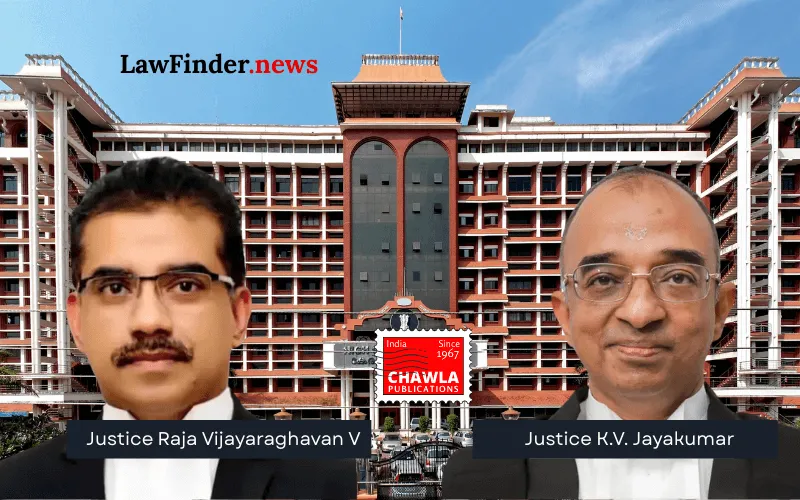
The bench comprising Justice Raja Vijayaraghavan V. and Justice K.V. Jayakumar expressed concern over the delay in audits and the persistent deficiencies within the Board's financial management systems. The Court emphasized that these lapses not only impair transparency but also expose the Board to financial risks. A need for a modern, integrated, computerized accounting system was stressed to address these recurring issues effectively.
The audit report had pointed out several irregularities, including wrong debits and credits in bank passbooks, substantial arrears in income tax refunds, and deficiencies in account verification procedures. The Court noted that the existing manual processes were outdated and prone to errors, underscoring the necessity for digitization.
The directive mandates the Cochin Devaswom Board to establish a digital governance framework that includes real-time tracking of receipts, electronic record maintenance, and automated accounting controls. The goal is to enhance accuracy, transparency, and efficiency in financial management. The Board is expected to submit a counter-affidavit detailing the corrective measures undertaken and the progress of digitization efforts by the end of the month.
The Court's decision underscores the importance of timely audits and structural reforms to prevent financial irregularities, aligning with modern governance standards. The involvement of the Kerala State Audit Department at the design and implementation stages was also highlighted to ensure compliance and minimize audit objections.
Bottom line:-
Travancore-Cochin Hindu Religious Institutions Act, 1950 - Timely audits, financial transparency, and digitization of accounting systems emphasized for addressing deficiencies and irregularities in Devaswom Board accounts.
Statutory provision(s): Travancore-Cochin Hindu Religious Institutions Act, 1950 Sections 102, 103, 104, 105, 107