Court mandates inclusion of Dalit Colony in Temple Car route, reinforcing constitutional rights to worship without discrimination.
In a landmark judgment, the Madras High Court has directed that the Temple Car procession of the Muthu Kolakki Amman Temple in Puthagaram Village must include the Dalit Colony in its route. This judgment comes in response to a petition filed by Selvaraj, representing the Scheduled Caste community, seeking permission to participate in religious activities and the Temple Car Festival.
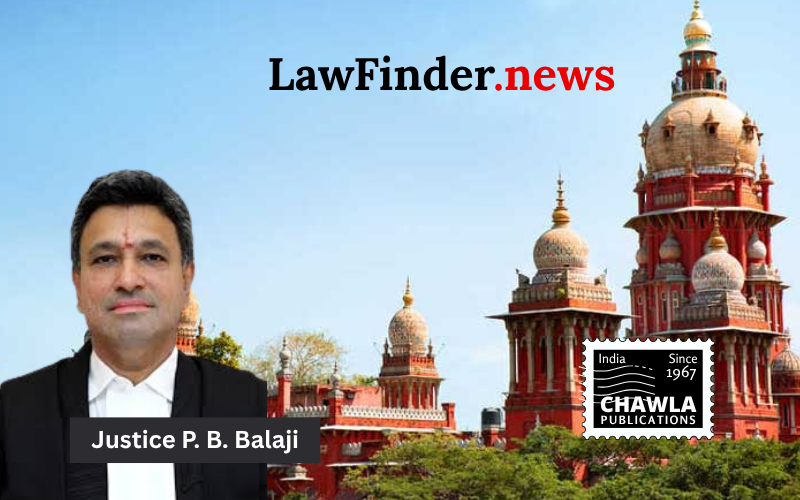
Justice P.B. Balaji emphasized that the practice of untouchability stands abolished under Article 17 of the Indian Constitution, and that faith and religious practices should transcend caste and community divides. The court's decision mandates the inclusion of the Dalit Colony in the Temple Car route, as confirmed by a feasibility report submitted by the District Collector of Kancheepuram.
The court's order comes after allegations that upper-caste communities resisted the participation of Scheduled Caste members in temple festivities. Despite assurances from the respondents that there were no prohibitions on temple entry or participation, the court found merit in the petitioner's claims of ongoing discrimination.
The District Collector's report, which included a field inspection and consultations with various local authorities, confirmed the feasibility of extending the temple procession route to the Dalit Colony without disrupting traditional practices. The court has directed the necessary infrastructure adjustments to facilitate this change.
Justice Balaji's ruling is a strong statement against discrimination cloaked in the guise of tradition. The court noted that divinity should not be confined by human prejudice and that changes to traditional practices should be embraced to ensure inclusion and equality.
The decision underscores the constitutional mandate against untouchability and reinforces the role of government authorities in upholding the rights of all citizens to practice their religion freely. The court has also ordered adequate police protection to ensure the peaceful conduct of the festival.
This judgment serves as a reminder of the constitutional values of equality and non-discrimination and sets a precedent for similar cases where religious practices are used to justify exclusion.
Bottom Line:
Constitutional and statutory rights under Article 17 of the Constitution - The abolition of untouchability and prohibition of discrimination ensure that individuals cannot be prevented from worshipping the deity or participating in religious rituals irrespective of their caste or community.
Statutory provision(s): Article 17 of the Constitution of India
Selvaraj v. District Collector, (Madras) : Law Finder Doc Id # 2805710