Chhattisgarh High Court Upholds Acquittal in Rape Case Involving Promise of Marriage Court emphasizes the distinction between breach of promise and false promise in rape allegations; reaffirms the need for substantial evidence.
In a significant judgment, the Chhattisgarh High Court dismissed an appeal against the acquittal of Rekhchand Banote, who was accused of rape under the guise of a false promise of marriage. The court upheld the previous decision by the Additional Sessions Judge of Rajnandgaon, emphasizing the importance of evaluating the intent behind promises of marriage and the conduct of the prosecutrix.
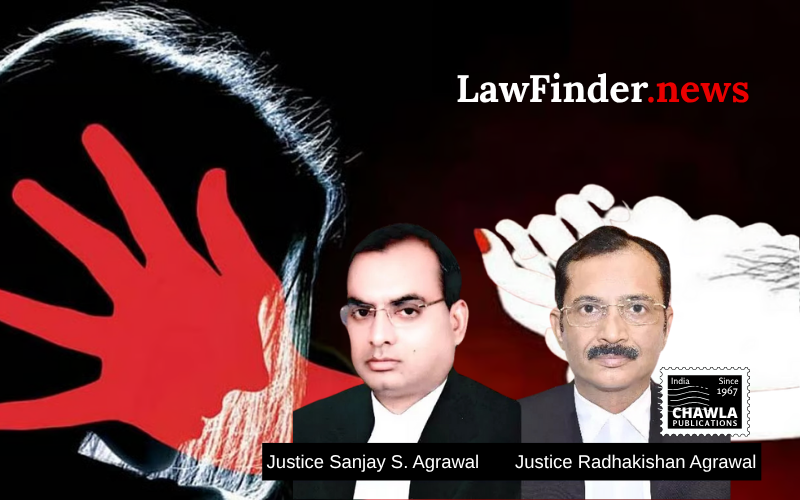
The State of Chhattisgarh had appealed against the trial court's decision, arguing that the accused had established a physical relationship with the victim on the pretext of marrying her. However, the High Court, comprising Justices Sanjay S. Agrawal and Radhakishan Agrawal, found that the evidence did not substantiate the claim that the accused intended to deceive from the outset.
The court highlighted that the prosecutrix was aware of the accused's marital status and continued the relationship despite this knowledge. The delay in filing the complaint and the continuation of the relationship were significant factors casting doubt on the allegations. The judgment reiterated the Supreme Court's stance that not every breach of promise to marry constitutes rape, unless the promise was made solely to obtain consent for sexual relations without any intent to fulfill it from the beginning.
The High Court cited precedents, including the Supreme Court cases of Jafarudheen v. State of Kerala and Jaspal Singh Kaural v. The State of NCT of Delhi, to support its decision. It emphasized the principle of double presumption of innocence favoring the acquitted, which can only be overturned by clear evidence of perversity in the trial court's findings.
The court also noted that the prosecutrix's actions, such as staying and traveling with the accused willingly, and her failure to report the alleged deception promptly, further weakened the prosecution's case. The judgment underscored the necessity of a thorough legal scrutiny before disturbing the acquittal.
Ultimately, the court concluded that the trial court's decision to acquit the accused was justified and did not warrant interference, thereby dismissing the appeal filed by the State.
Bottom Line:
The mere fact that physical relations were established pursuant to a promise of marriage does not amount to rape in every case. The accused can only be held guilty under Section 375 IPC if the promise of marriage was made solely to obtain consent for sexual relations without any intent to fulfill the promise from the outset.
Statutory provision(s): Indian Penal Code, 1860 Section 375, Criminal Procedure Code, 1973 Section 378
State of Chhattisgarh v. Rekhchand Banote, (Chhattisgarh)(DB) : Law Finder Doc Id # 2806671