Calcutta High Court Upholds Tribunal Decision on Insolvency-Related Tax Claims Tata Steel's Appeal for Tax Refund Denied, Claims Extinguished by Insolvency Resolution Plan
In a significant judgment, the Calcutta High Court dismissed the writ petitions filed by Tata Steel Limited, formerly known as Tata Steel BSL Limited, challenging the decision of the Customs, Excise and Service Tax Appellate Tribunal (CESTAT), Kolkata. The tribunal had ruled that appeals related to CENVAT credit claims had abated following the corporate insolvency of Bhushan Steel Limited (BSL), the predecessor entity of Tata Steel BSL Limited.
The case centered around the reversal of CENVAT credit by BSL under protest, amounting to over Rs. 149 crore, against which appeals were pending before the CESTAT. The tribunal held that these appeals were nullified due to BSL's insolvency proceedings under the Insolvency and Bankruptcy Code (IBC), 2016.
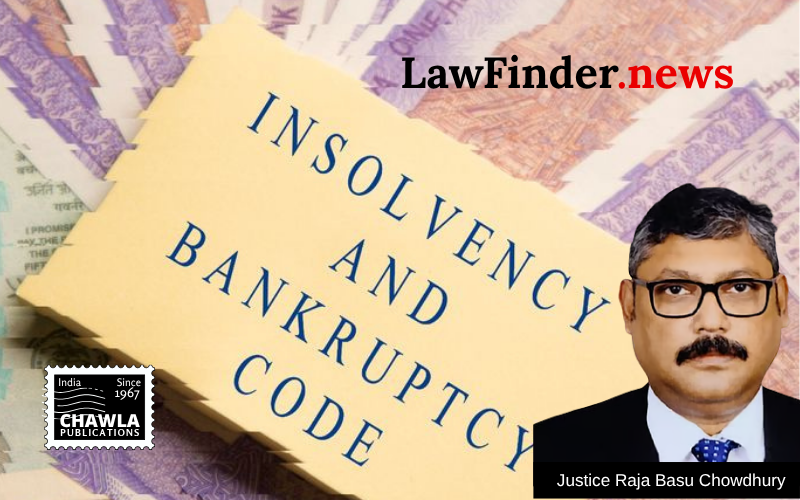
The High Court, presided by Justice Raja Basu Chowdhury, examined the scope of judicial review under Articles 226 and 227 of the Constitution of India, focusing on whether the tribunal acted within its jurisdiction. The Court found no jurisdictional error in the tribunal's decision to dismiss the appeals as infructuous following the approved resolution plan for BSL under the IBC.
The resolution plan, approved by the National Company Law Tribunal (NCLT), included clauses that extinguished all claims and debts prior to its effective date, including statutory dues owed to government agencies. The tribunal cited the Supreme Court's decision in "Ghanashyam Mishra & Sons Pvt. Ltd v. Edelweiss Asset Reconstruction Co. Ltd." which confirmed that once a resolution plan is approved, all claims not part of the plan are extinguished.
Tata Steel argued that the CENVAT credit reversal should be treated as a pre-deposit for appeals, warranting a refund. However, the High Court noted that the reversal was voluntary and not a mandatory pre-deposit under the Central Excise Act provisions, especially given the waiver of pre-deposit granted by the tribunal.
The judgment emphasizes the binding nature of resolution plans under the IBC, which supersede other statutory provisions, confirming that the tribunal correctly applied the law by recognizing the abatement of appeals due to insolvency proceedings.
Bottom Line:
Resolution Plan under Insolvency and Bankruptcy Code (IBC) extinguishes all claims, including statutory dues, not incorporated in the approved resolution plan. Tribunal's role is limited by its statutory framework and cannot adjudicate claims beyond the scope of the resolution plan.
Statutory provision(s): Insolvency and Bankruptcy Code, 2016 (Sections 3(6), 3(11), 31), Customs, Excise and Service Tax Appellate Tribunal (CESTAT) Procedure Rules, 1982 (Rule 22), Articles 226 and 227 of the Constitution of India, Central Excise Act, 1944 (Section 35G, Section 35F), CENVAT Credit Rules, 2004.