Appeal Dismissed; Issues of Limitation, Res Judicata, and Order II Rule 2 CPC to be Decided During Trial
In a significant ruling, the Supreme Court of India has upheld the decision of the High Court of Karnataka to restore a civil suit concerning a property dispute. The case, titled C.M. Meenakshi v. Archbishop Of Bangalore and Ors., involves a contentious land matter in Bangalore, with claims of ownership and validity of sale deeds at its core.
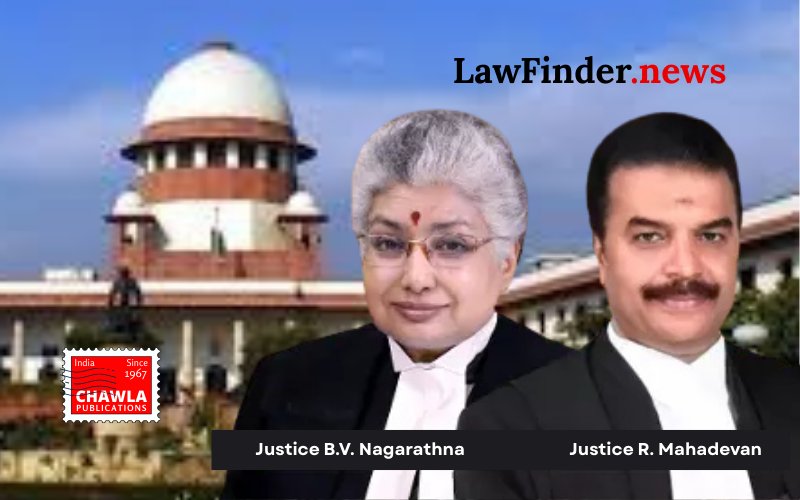
The Supreme Court bench comprising Justices B.V. Nagarathna and R. Mahadevan delivered the judgment on November 20, 2025, dismissing the appeal filed by C.M. Meenakshi, the appellant. The appellant had challenged the High Court's judgment that overturned a Trial Court's decision to reject the plaint under Order VII Rule 11 of the Civil Procedure Code (CPC).
The dispute centers around a piece of land measuring 1 Acre 04 Guntas situated at Bilekahalli Village, Bangalore South Taluk. The respondents-plaintiffs had filed a suit seeking several reliefs, including a declaration of ownership, invalidation of previous sale deeds, and permanent injunction against the defendants.
Initially, the Trial Court had rejected the plaint on grounds that included absence of cause of action, limitation, and res judicata principles, as the plaintiffs had filed multiple suits previously regarding the same property. However, the High Court restored the suit, stating that these issues are to be addressed during the trial phase, not at the threshold of rejecting the plaint.
In the Supreme Court, the appellant argued that the High Court erred in its judgment and that the plaint was legally untenable. However, the respondents defended the High Court's decision, emphasizing that the issues raised are matters of trial and not suitable for summary dismissal.
The Supreme Court agreed with the High Court, emphasizing that questions of limitation, res judicata, and Order II Rule 2 CPC are mixed questions of law and fact, which should be resolved during the trial. The Supreme Court clarified that the High Court's observations should not prevent the Trial Court from considering these issues on their merits.
The Supreme Court referred to prior judgments, including Srihari Hanumandas Totala v. Hemant Vithal Kamat and Shakti Bhog Food Industries Ltd. v. Central Bank of India, reinforcing the stance that such procedural matters should be examined during trial proceedings.
The dismissal of the appeal now paves the way for the trial to proceed, with the Supreme Court urging both parties to cooperate for an expedited resolution.
Statutory provision(s):
- - Civil Procedure Code, 1908, Order VII Rule 11
- - Civil Procedure Code, 1908, Order II Rule 2
- - Limitation Act, 1963
C.M. Meenakshi v. Archbishop Of Bangalore, (SC) : Law Finder Doc Id # 2814026