Conviction under Sections 498-A, 304-B IPC, and Dowry Prohibition Act Overturned; Court Relies on Dying Declaration Indicating Accidental Burns
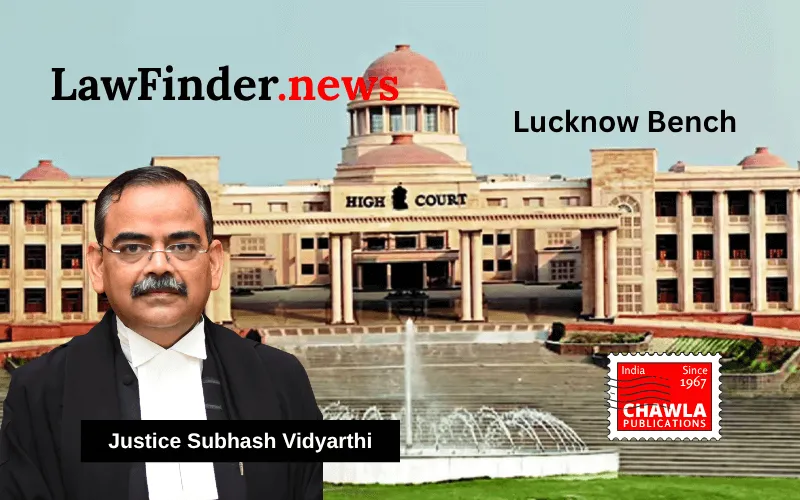
In a significant ruling, the Allahabad High Court, Lucknow Bench, has acquitted Amita Singh and Shivraj Singh, who were previously convicted under Sections 498-A and 304-B of the Indian Penal Code (IPC) and Sections 3/4 of the Dowry Prohibition Act, 1961. The bench, presided over by Justice Subhash Vidyarthi, overturned the trial court's decision due to insufficient evidence to substantiate the charges of dowry demand and harassment.
The appellants were initially sentenced by the Additional Sessions Judge/Special Judge, P.C. Act, Court No. 1, Lucknow, in connection with the death of Ruby Singh, who succumbed to burn injuries in December 2011. The prosecution alleged that Ruby was harassed for dowry by her husband Shivraj Singh, her mother-in-law Amita Singh, and other family members, leading to her death. However, the High Court found that the prosecution failed to prove the demand for dowry or any harassment soon before Ruby's death.
A crucial factor in the court's decision was Ruby Singh's dying declaration, recorded by a Magistrate in the presence of a doctor, which stated that the burns were accidental. The declaration was made shortly after the incident and described how kerosene spilled from a container and caught fire from a lit candle while she was cleaning the kitchen. The court emphasized the reliability of such declarations, citing legal precedents where dying declarations are considered truthful due to the grave circumstances under which they are made.
The High Court scrutinized the testimonies of prosecution witnesses and found inconsistencies and lack of direct evidence of dowry demands made to Ruby's family. It also questioned the credibility of a forensic expert's oral opinion, which contradicted the postmortem findings and was not formally documented. The expert had suggested that the injuries were not accidental but could be suicidal or homicidal, a theory the court found unsubstantiated.
Justice Vidyarthi noted that the deceased's husband had borne the expenses of her hospital treatment and that the family dynamics, including the separate living arrangements of the in-laws, did not support the prosecution's narrative of harassment for dowry. The court concluded that the trial court's conviction was not supported by the evidence presented and set aside the judgment.
The appellants, who were in custody, have been ordered to be released on personal bonds and sureties under Section 437A of the Criminal Procedure Code, 1973, ensuring their appearance if the Supreme Court calls them in case of an appeal against this acquittal.
Bottom Line :
Conviction under Sections 498-A, 304-B IPC and Sections 3/4 Dowry Prohibition Act set aside due to lack of evidence proving demand of dowry and reliance placed on the dying declaration of the deceased which indicated accidental burns.
Statutory provision(s): Indian Penal Code 1860 Sections 498-A, 304-B, Dowry Prohibition Act 1961 Sections 3/4, Evidence Act 1872 Section 32, Criminal Procedure Code 1973 Section 437A.
Amita Singh v. State of U.P., (Allahabad)(Lucknow) : Law Finder Doc id # 2962658