Court Upholds Principles of Natural Justice, Directs State to Settle Mandi Fee Dispute
In a significant judgment, the Allahabad High Court has quashed the indefinite blacklisting of Aarambh Agro Purposes Co-Operative Society Ltd by the Regional Food Controller, Moradabad Region. The court found the blacklisting order, dated 05 October 2019, to be in violation of the principles of natural justice, emphasizing that such actions cannot be imposed without a valid show-cause notice and an opportunity for the affected party to be heard.
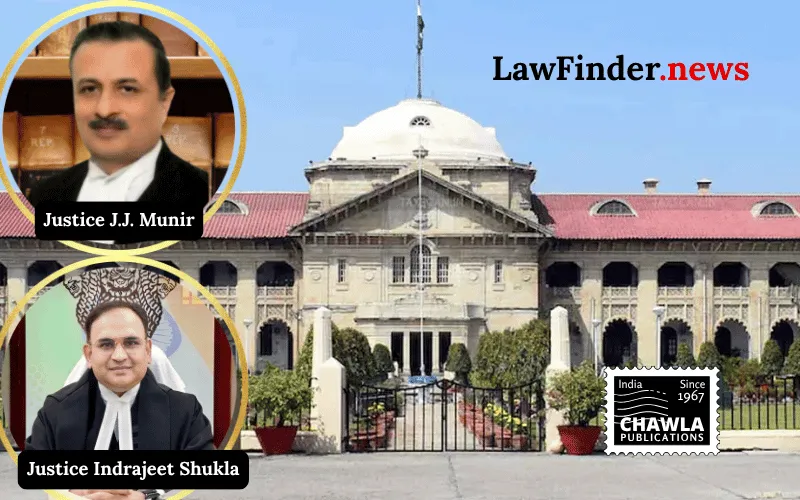
The bench, comprising Justices J.J. Munir and Indrajeet Shukla, ruled that the indefinite blacklisting had severe civil consequences and was arbitrary and excessively punitive. The court highlighted that the petitioner society, represented by its duly elected president, was not served with a valid notice nor given a meaningful opportunity to respond to the allegations before the blacklisting order was passed.
The judgment stemmed from a case where the society was blacklisted indefinitely after a procurement order involving wheat was allegedly misused by private individuals. These individuals, not being part of the society's management, forged documents and conducted transactions under the society's name, leading to legal and financial disputes.
The court further directed the State to settle the demand raised by the Krishi Utpadan Mandi Samiti, Rampur, for mandi fees and development charges. The court acknowledged that while the society's name was misused, the market area was utilized for procurement, and the legitimate claims of the Mandi Samiti should not be frustrated.
The decision underscores the importance of adhering to procedural fairness and the principles of natural justice in administrative actions, particularly those with significant civil consequences like blacklisting.
Bottom Line:
Blacklisting of a firm, society, or contractor cannot be imposed in perpetuity without adhering to the principles of natural justice, including proper service of show cause notice and an opportunity of hearing.
Statutory provision(s): Multi State Cooperative Societies Act, 2002, Constitution of India, Article 144