Court Remands Appeals for Fresh Hearing Emphasizing Proper Application of Principles Governing Interim Injunctions and Protection of Trust's Functioning
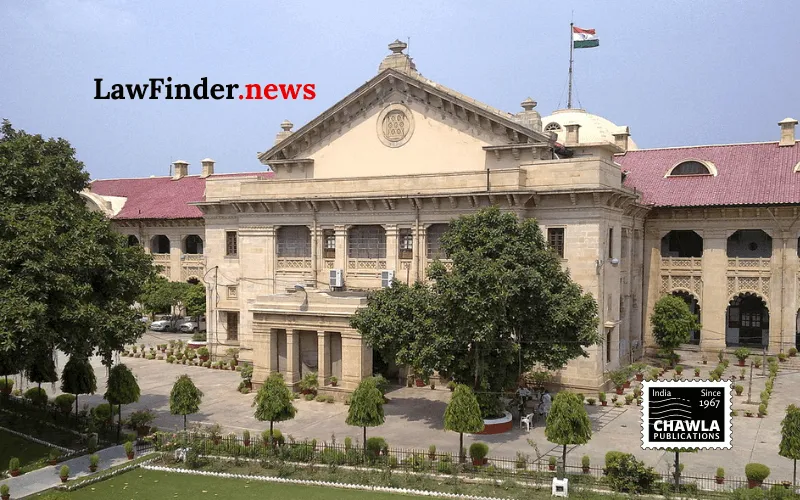
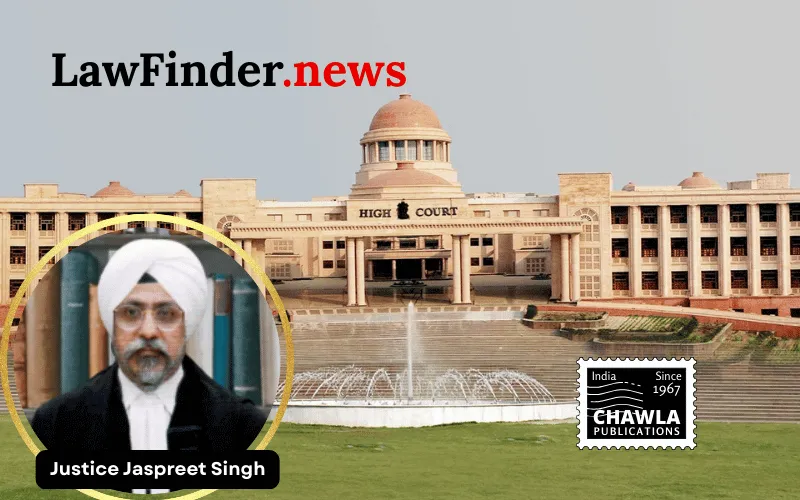
In a significant judgment delivered on September 1, 2026, the Allahabad High Court (Lucknow Bench), presided over by Justice Jaspreet Singh, set aside the order passed by the Additional District Judge, Lucknow, which had discharged an interim injunction granted in favor of Dr. Amod Kumar Sachan, the Chairman of Hind Charitable Trust. The judgment underscores the necessity for appellate courts to exercise their jurisdiction cautiously and adhere to settled legal principles while interfering with interim injunctions, especially in sensitive trust management disputes.
Background:
Dr. Amod Kumar Sachan, petitioner and plaintiff in Regular Suit No. 455 of 2026, sought declaratory and injunctive reliefs against several trustees of Hind Charitable Trust, including Ms. Richa Mishra and Shri Brij Kishore Singh. The dispute arose from alleged fabricated minutes of meetings dated January 16 and February 3, 2026, which purportedly removed Dr. Sachan from his position as Chairman without following the trust deed's prescribed procedures. The petitioner alleged unauthorized entry into the trust's administrative offices and misappropriation of assets.
The trial court, on April 2, 2026, granted an interim injunction restraining the respondents from interfering with Dr. Sachan's functioning as Chairman and directed that the Trust's bank accounts be operated strictly as per the trust deed. Aggrieved by this, the respondents filed two appeals which were allowed by the appellate court on July 8, 2026, discharging the interim injunction.
High Court's Intervention:
Challenging the appellate order, Dr. Sachan filed petitions under Article 227 of the Constitution. The High Court meticulously analyzed the principles governing interim injunctions as laid down by the Supreme Court of India and English jurisprudence, including the landmark American Cyanamid case and subsequent authoritative Indian decisions.
The court reiterated the trinity test for granting interim injunctions: a prima facie case, balance of convenience, and irreparable injury. It emphasized that while interim injunctions are discretionary, appellate courts must not interfere with trial courts' orders unless there is a clear illegality, perversity, or jurisdictional error.
Key Findings and Observations:
- - The appellate court erred in discharging the injunction without addressing the trial court's detailed findings on the prima facie case, balance of convenience, and irreparable injury.
- - The appellate court wrongly treated the interim injunction as final relief, ignoring the established legal position that in exceptional cases, interim relief similar to the final relief can be granted to prevent frustration of justice.
- - The appellate court's reliance on an interim order passed at the admission stage to treat the trial court's injunction as stayed was incorrect since such interim orders are tentative and do not bind the final decision.
- - The appellate court improperly introduced the plea of `accidental omission' to uphold the disputed minutes of meetings, a contention not pleaded by the respondents, amounting to prejudging the matter at the interlocutory stage.
- - The High Court underscored the importance of the appellate court conducting a reasoned analysis and applying settled principles rather than mechanically applying legal propositions divorced from the facts.
- - It was noted that the dispute affects the functioning of the Trust and its institutions, including hospitals and medical colleges, necessitating a balanced approach to protect public interest.
Directions:
The High Court set aside the appellate order dated July 8, 2026, reinstated the trial court's interim injunction, and remanded the appeals to the appellate court for fresh consideration. The appellate court was directed to rehear the matter expeditiously and decide within three weeks, carefully applying the legal principles and considering the parties' pleadings and evidence.
To safeguard the Trust's functioning pending the appeals, the court ordered that none of the Trust's bank accounts be operated singly or jointly by Dr. Sachan and respondent No.1. Instead, the accounts shall be operated jointly with another founder trustee, Shri Vikram Singh, with withdrawals limited to essential expenses such as staff salaries, statutory dues, and public utility bills. Details of all transactions must be reported to the appellate court.
Significance:
This judgment reinforces the judicial caution required in appellate interference with interim injunctions and the need to preserve status quo in trust administration disputes to prevent disruption of vital public institutions. It also clarifies that appellate courts possess co-extensive powers but must exercise them judiciously, respecting the trial court's reasoned findings unless clearly unsustainable.
The case reaffirms that interim injunctions are equitable remedies requiring clean hands and a balanced consideration of all relevant factors, including the conduct of parties and public interest. It cautions against mini-trials at interlocutory stages and improper pre-judgments based on unpleaded contentions.
The Allahabad High Court's order thus sets a precedent for handling similar disputes involving charitable trusts and interim reliefs, ensuring that justice is not sacrificed at the altar of procedural technicalities.
Bottom Line:
An appellate court, while dealing with appeals challenging interim injunctions, must scrutinize the trial court's findings on prima facie case, balance of convenience, and irreparable injury, and cannot summarily discharge such injunctions without addressing the trial court's reasoning.
Statutory provision(s):
Civil Procedure Code, 1908 - Order XXXIX Rules 1 and 2, Order XLIII Rule 1(r); Constitution of India - Article 227
Dr. Amod Kumar Sachan v. Richa Mishra, (Allahabad)(Lucknow) : Law Finder Doc Id # 2975206