Court Issues Comprehensive Directions for Garbage-Free Streets, CCTV Surveillance, and Community Engagement; Municipal Corporation Presents Compliance Report with Ward-Level Implementation Plan and Mumbai Clean League 2026 Initiative
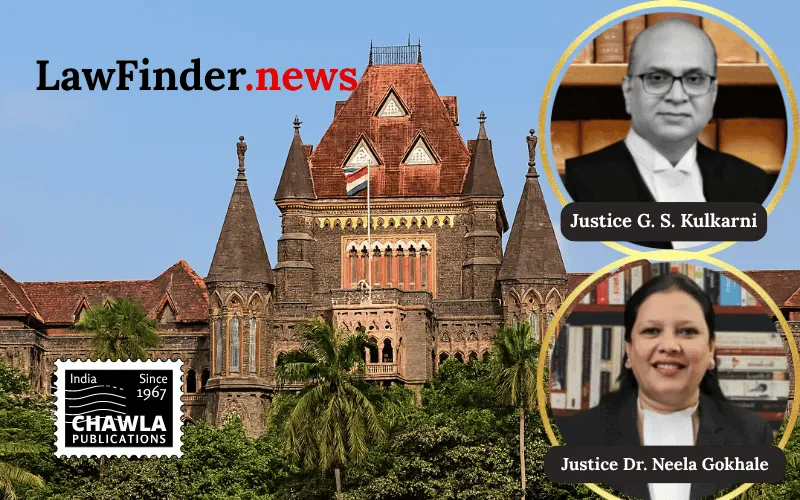
In a landmark judgment addressing the critical issue of solid waste management and public hygiene in Mumbai, the Bombay High Court has issued comprehensive directions to the Municipal Corporation of Greater Mumbai (MCGM) to transform the city into a cleaner and more hygienic metropolis. The Division Bench comprising Justices G. S. Kulkarni and Dr. Neela Gokhale has emphasized that maintaining public hygiene is a collective constitutional duty of both citizens and municipal authorities.
The Court's Vision for "Clean Mumbai, Green Mumbai"
The High Court has articulated a vision of "Clean Mumbai, Green Mumbai," stressing that improper waste disposal directly compromises community health, environmental quality, and local aesthetics. The Court highlighted that reckless dumping of garbage creates breeding grounds for disease vectors such as mosquitoes, rodents, and stray animals, increasing the transmission of diseases including dengue, malaria, leptospirosis, and cholera.
Constitutional Obligations Underscored
The judgment emphasizes that maintaining public hygiene is not merely a statutory obligation but a constitutional imperative. The Court referenced Article 51A(j) of the Constitution of India, which mandates citizens to strive towards excellence in all spheres of individual and collective activity. The Court noted that protecting and improving the environment to safeguard public property is a fundamental duty enshrined in the Constitution.
Comprehensive Directions Issued
The Court has issued the following key directives to the MCGM:
- 1. Garbage-Free Streets: The Municipal Commissioner is directed to ensure that all streets, bylanes, pavements, and public utility places in every ward remain garbage-free through systematic storage and collection mechanisms.
- 2. Surveillance and Enforcement: Technology-enabled vigilance, including CCTV cameras and vigilance booths, must be deployed at Garbage Vulnerable Points (GVPs) to monitor and prevent illegal dumping. Strict action and penalties must be imposed against violators.
- 3. Marketplace Cleanliness: Special emphasis has been placed on maintaining cleanliness in marketplaces of all kinds through regular inspections and strict enforcement.
- 4. Water Body Protection: Nets and barriers must be installed at points where nalas meet the sea to prevent plastic waste from entering the marine environment. Open nalas should be converted into piped drainage systems.
- 5. Public Sensitization: The MCGM is directed to engage NGOs, Resident Welfare Associations, and educational institutions for awareness campaigns against littering and illegal dumping.
- 6. Recognition and Rewards: Clean wards are to be publicly recognized and appropriately rewarded under the Mumbai Clean League 2026 initiative.
MCGM's Compliance Report
The Court appreciated the proactive measures undertaken by the MCGM following the July 15, 2026 order. The Corporation has reported the following compliance measures:
- - Action Plan Implementation: A circular dated August 3, 2026 has been issued directing strict enforcement of BMC's Solid Waste Management Bye-Laws, 2025, with ward-level officers levying fines and conducting anti-littering drives.
- - Slum Area Management: NGOs have been appointed under the Swachh Mumbai Prabodhan Abhiyan Scheme for waste collection in notified slums, with regular transportation to designated processing facilities.
- - CCTV Installation: CCTV cameras have been installed at identified GVPs in various wards, with regular monitoring by ward staff and enforcement actions against violators.
- - Three-Shift Collection System: A uniform waste collection program operates in three shifts (6 am-2 pm, 2 pm-10 pm, 10 pm-6 am) using mini and large compactors to transport garbage to processing facilities.
- - Digital Grievance Redressal: The MyBMC Marg application, launched in April 2026, enables citizens to register complaints related to solid waste management, which are automatically forwarded to respective Ward Offices for prompt redressal.
- - Citizen Awareness Programs: The Mumbai Clean League 2026 involves participation from NGOs, housing societies, educational institutions, and elected representatives, with awards for the cleanest wards.
- - Nala Management: The BMC has undertaken phase-wise covering of open nalas and deployed steel net barriers and floating booms at key drainage points. Advanced technology, including plastic waste interceptors at strategic locations like Malad Creek, has been deployed in partnership with Ocean Cleanup and Plastic Fischer.
Accountability and Community Participation
The Court emphasized that achieving the goal of a clean city cannot be the sole responsibility of the Municipal Corporation. Citizens at large are equal stakeholders in this endeavor. The judgment stresses that the accountability of the community at all levels is paramount. The Court noted that residents who habitually throw waste on public streets rarely indulge in such behavior when visiting foreign countries, indicating that civic consciousness is malleable and requires stricter enforcement and awareness.
Model Ward Implementation
The MCGM has presented a solid waste management model developed for Ward A, which is to be replicated in other wards. This model encompasses systematic waste collection, segregation, and disposal mechanisms.
Special Monitoring Committee
Following the Supreme Court's directions in the matter of Bhopal Municipal Corporation v. Dr Subhash C. Pandey, a dedicated special cell has been constituted under the Chairmanship of the District Collector, Mumbai Suburban, to oversee compliance and implementation of waste management initiatives.
Environmental Concerns Noted
The Court observed that while compliance reports are being submitted, certain air quality parameters require clarification. A letter from the petitioner highlighted clogged drainage systems filled with plastic bottles and waste, demonstrating that such issues are widespread across the city. The Court directed ward officers to address such complaints immediately and the MPCB to confirm whether air quality data is within permissible limits.
The Way Forward
The Court concluded by stating that "it is never too late" and that success in achieving a clean and hygienic city is achievable through collective will and effort. The judgment represents a holistic approach combining legal enforcement, technological surveillance, community participation, and administrative accountability.
The proceedings have been listed for further consideration on September 10, 2026, during which the Court will review progress and address any outstanding concerns, particularly regarding air quality parameters and the pace of nala conversion.
Bottom Line:
Public hygiene and waste management - Duty of citizens and municipal authorities to maintain cleanliness and hygiene in public spaces, including streets, marketplaces, and water bodies, emphasized - Directions issued to Municipal Corporation of Greater Mumbai (MCGM) to implement strict waste management measures, enforce penalties, and engage in public sensitization campaigns.
Statutory Provision(s)
Constitution of India - Article 51A(j), Constitution of India, Bharatiya Nyaya Sanhita, 2023, MCGM Solid Waste Management Bye-Laws, 2025, Environment Protection Act, 1986 - Section 23, Municipal Corporation Act.
This judgment represents a significant step towards environmental protection and public health management in urban India, establishing that cleanliness and hygiene are constitutional imperatives requiring coordinated action between government authorities and citizens.