Court finds no evidence of harassment or instigation by live-in partner, overturning Sessions Court's rejection of discharge plea
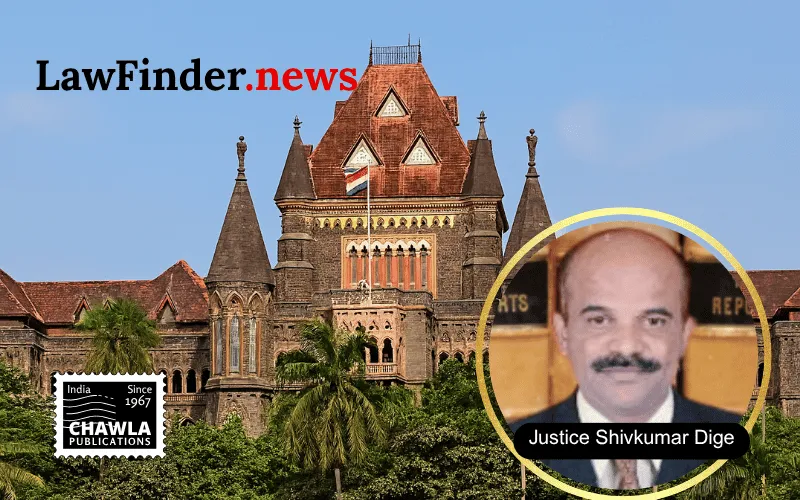
In a significant judgment dated September 30, 2026, the Bombay High Court, presided over by Justice Shivkumar Dige, set aside the rejection of the discharge application filed by Rahul Harshvardhan Singh, the live-in partner of late actress Pratyusha Banerjee, in a criminal case alleging abetment of suicide under Section 306 of the Indian Penal Code, 1860.
The case originated from the tragic death of Pratyusha Banerjee, who committed suicide on April 1, 2016, at her residence in Mumbai. The prosecution alleged that the deceased was driven to take this extreme step due to harassment by the applicant, Rahul Harshvardhan Singh.
Rahul Singh's counsel, led by Senior Advocate Aabad Ponda, argued that the applicant was falsely implicated. They highlighted that the couple had been in a live-in relationship for approximately eight months without any prior complaint from the deceased regarding harassment. Crucially, the last telephonic conversation between the deceased and Rahul before the incident revealed that Rahul was imploring her not to take any extreme step until he arrived, indicating his concern rather than any instigation. The applicant also rushed immediately to the scene to save her life and took her to the hospital. There was a notable delay of four days in lodging the FIR, and no supporting material existed to substantiate the claim of harassment.
On the other hand, the prosecution and the counsel for the respondent maintained that Rahul was possessive, frequently quarreling and assaulting the deceased, leading to her suicide. They supported the Sessions Court's decision rejecting the discharge application, asserting sufficient material existed to proceed with the trial.
After hearing all parties and examining the evidence, the High Court noted the absence of any material proof of harassment or instigation by Rahul Singh. The court observed that the deceased had never filed a complaint against him and that the last call between them showed the applicant attempting to dissuade the deceased from committing suicide. The court also noted that Rahul himself suffered trauma and was hospitalized after the incident.
Concluding that there was no case against Rahul Harshvardhan Singh warranting a trial for abetment of suicide, the High Court allowed the criminal revision application and discharged the applicant from the Sessions Case No. 315 of 2016 registered at Bangur Nagar Police Station.
This judgment underscores the judiciary's insistence on concrete evidence before proceeding with serious charges like abetment of suicide, especially in sensitive cases involving personal relationships. It highlights the necessity of a thorough and balanced examination of facts before denying discharge and subjecting an accused to trial.
Bottom Line:
Penal Code, 1860, Section 306 - Discharge - Allegation of abetment of suicide against live-in partner - Mere allegation of harassment without supporting material, absence of prior complaint, and last conversation showing applicant was persuading deceased not to take extreme step - No material to show instigation or abetment - Rejection of discharge application set aside and applicant discharged.
Statutory provision(s): Indian Penal Code, 1860 Section 306, Criminal Procedure Code, 1973
Rahul Harshvardhan Singh v. State Of Maharashtra, (Bombay) : Law Finder Doc Id # 2993408