Court directs State to ensure peaceful demonstrations under Public Meetings, Agitations and Processions Rules, 2025, while safeguarding public order and citizens' rights
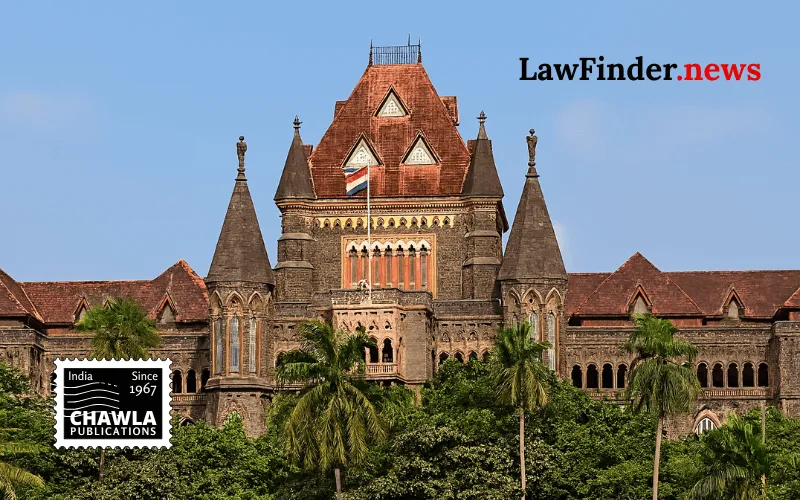
In a significant judgment delivered on September 11, 2026, the Bombay High Court (Division Bench) underscored the importance of exercising the right to peaceful protest strictly within the ambit of the law, reiterating that public rallies and agitations must not infringe upon public order or the rights of other citizens. The petition, filed by Nilesh Ramchandra Dhanukar and others, sought directions to prevent potential chaos during anticipated mass protests in Mumbai involving Respondent No. 4 and his supporters.
The Court drew heavily from its earlier landmark decision dated August 26, 2025, where it had laid down clear guidelines for public protests, relying on the Supreme Court's ruling in Amit Sahni (Shaheen Bagh, In Re) vs. Commissioner of Police (2020) 10 SCC 439. The Court reiterated that while democracy thrives on dissent and the right to protest, such protests must be confined to designated areas and must not result in the indefinite occupation of public streets or spaces that disrupt commuter convenience and public life.
The Bench referred to Rule 25 of the Public Meetings, Agitations and Processions Rules, 2025, which mandates prior permission for organizing any public rally or protest. The Court emphasized that organizing protests without such permission violates the law and that the State must act swiftly to prevent unauthorized protests to maintain law and order.
The petitioners had expressed concern about the possibility of disruptions coinciding with the Ganpati Festival, a major public event in Mumbai, highlighting the need for proactive measures by the State machinery. However, the Advocate General for the State assured the Court that no permission had been sought yet by the respondents for any public rally, and the State was prepared to act in accordance with the law to prevent any untoward incident.
Importantly, the Court also addressed concerns regarding the health of Respondent No. 4, who was reportedly on a hunger strike. It directed the State to take necessary steps to address any medical emergencies that might arise during such protests.
While the Court did not pass any immediate directions, it issued a notice to the respondents and adjourned the matter for further consideration on September 24, 2026. The judgment underlines the delicate balance between upholding fundamental rights and ensuring public safety and order in a vibrant democracy.
This ruling serves as a crucial reminder that the right to protest, a cornerstone of democratic expression, must be exercised responsibly and within the framework of established laws and rules to prevent disruption and protect the rights of all citizens.
Bottom Line:
Right to protest must be exercised within the mandate of law, ensuring that public order and the rights of other citizens are not infringed.
Statutory provision(s):
Article 226 of the Constitution of India, Public Meetings, Agitations and Processions Rules, 2025 (Rule 25)
Nilesh Ramchandra Dhanukar v. State of Maharashtra, (Bombay)(DB) : Law Finder Doc Id # 2976703