Court appoints special receivers to conduct raids and seize counterfeit products across multiple states, restraining defendants from using Bombay Dyeing trademarks and logos
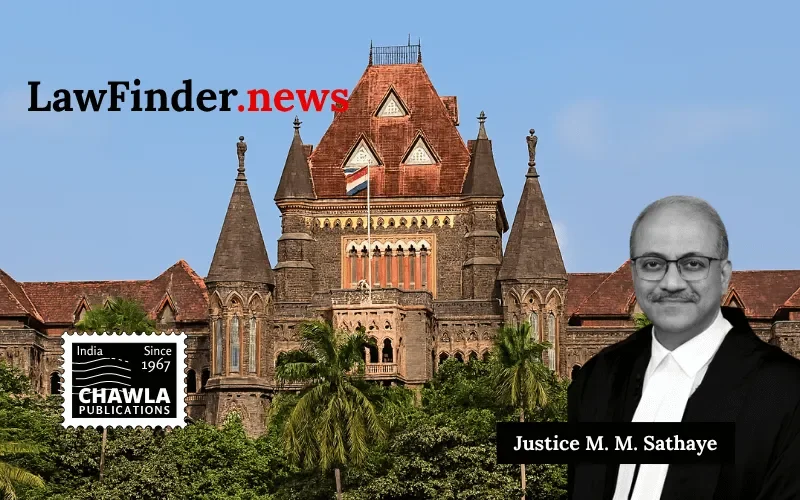
In a significant ruling on November 4, 2026, the Bombay High Court, presided over by Justice M.M. Sathaye, granted an ex-parte ad-interim injunction in favor of The Bombay Dyeing and Manufacturing Company Limited against M/s M.J. Home Furnishing and others. The order aims to curb the manufacture, distribution, and sale of counterfeit goods infringing on the plaintiff's registered trademarks and copyrights.
The plaintiff, a renowned public limited company with a legacy dating back to 1879, is engaged in the textile business, marketing a wide array of products under the well-known "Bombay Dyeing" brand. The company holds numerous registered trademarks, including the words "BOMBAY DYEING" and related logos such as IMAGE, covering various classes of goods. The plaintiff also owns copyrights for the artistic works comprising these logos.
The dispute arose after the plaintiff's marketing team discovered an exhibition in Thane where counterfeit goods bearing its trademarks were being displayed. Subsequent investigations revealed a network of manufacturing units, wholesalers, and suppliers selling counterfeit products marked with "WHITE ANGEL BY MJ HOME" - a selvage marking linked to the defendants. Raids conducted in various cities, including Nashik, Coimbatore, Hyderabad, Bengaluru, and Navi Mumbai, resulted in seizure of hundreds of counterfeit bedsheets and related materials.
Based on evidence including product comparisons, photographs, and investigative reports, the court found a strong prima facie case for trademark infringement, copyright infringement, and passing off. The court noted that the defendants' counterfeit goods were deceptively similar to genuine Bombay Dyeing products, potentially misleading consumers and causing irreparable harm to the plaintiff's goodwill.
The court appointed the Court Receiver and Additional Special Receivers with powers under the Code of Civil Procedure to conduct search and seizure operations at the defendants' premises across Maharashtra, Haryana, Uttar Pradesh, Delhi, Madhya Pradesh, Telangana, Karnataka, Tamil Nadu, and other locations. The receivers are authorized to break open locks with police assistance, seize counterfeit products and related materials, and maintain inventories.
The defendants were restrained from using the plaintiff's trademarks, logos, and artistic works, pending the final disposal of the suit. The injunction was granted without notice to the defendants, as the court held that prior notice would defeat the purpose of the relief sought. The order will remain in force until January 20, 2027, with liberty granted to the defendants to apply for variation or recall after due notice to the plaintiff.
This judgment reiterates the judiciary's firm stance against intellectual property violations and protects the rights of established brands against counterfeit operations that threaten consumer interests and business reputations.
Bottom Line:
Intellectual Property - Trade mark infringement, copyright infringement, and passing off - Ex-parte ad-interim injunction granted to protect the Plaintiff's registered trade marks and artistic works against unauthorized use and sale of counterfeit goods by Defendants.
Statutory provision(s): Trade Marks Act, 1999 - Section 29, Copyright Act, 1957 - Sections 51, 55, Code of Civil Procedure, 1908 - Order 39, Rule 7