Court Suggests Personal Liability for Officials to Protect Taxpayers from Financial Burden of Illegal Cancellations
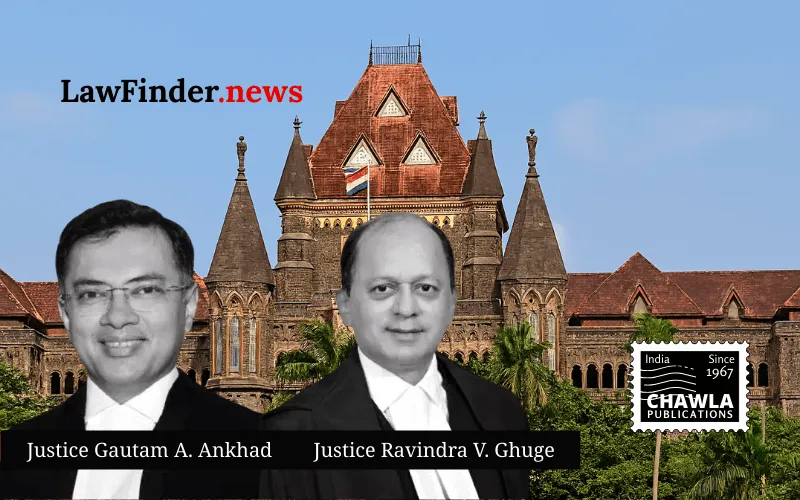
In a landmark judgment, the Bombay High Court has taken a significant step to protect taxpayers from the financial repercussions of illegal project terminations by municipal authorities. The court, presided over by Acting Chief Justice Ravindra V. Ghuge and Justice Gautam A. Ankhad, heard the case of M/s. SMS Limited versus the Municipal Corporation of Greater Mumbai, highlighting the need for accountability among public officials.
The petitioner, M/s. SMS Limited, approached the court following the abrupt cessation of a work order, which had brought their contractual obligations to a standstill. This sudden halt prompted the petitioner to initiate arbitration proceedings due to the substantial financial losses incurred.
The court acknowledged the growing concern that such abrupt cancellations and illegal terminations by municipal bodies or state instrumentalities result in significant losses to the state exchequer. These losses are compounded when affected parties, like M/s. SMS Limited, seek damages through arbitration or other legal forums, often leading to compensation being paid from public funds.
In a decisive move, the court suggested that it is time to hold responsible officers personally liable for such damages. This approach aims to ensure that taxpayers do not bear the financial burden of decisions made by authorities without due diligence or legal backing.
The court noted that the Municipal Corporation had not been inclined to stop the project, which had progressed to the plinth level. Communications dating back to 2024 and 2025 reflected the Corporation's willingness to continue the project, pending state approval. A meeting held in April 2026 further indicated efforts to seek permission to resume and complete the halted project.
Furthermore, the court granted M/s. SMS Limited leave to amend their petition in light of new developments. The Municipal Corporation's decision to float fresh tenders for projects related to the Mumbadevi Temple, which might include the petitioner’s work, prompted this amendment. The court has set a deadline for the submission of affidavits by the Municipal Corporation and the State Government, ensuring that they address the petitioner's grievances promptly.
This ruling marks a pivotal moment in contract law, emphasizing the need for accountability and transparency in public project management. By proposing personal liability for officials, the court aims to deter abrupt project cancellations that not only waste resources but also strain public finances.
Bottom line:-
Authorities like Municipal Corporations or State instrumentalities may be held personally liable for damages caused due to illegal cancellation or abrupt termination of projects, to prevent taxpayers from bearing the financial burden.
Statutory provision(s): Contract Law, Arbitration, Personal Liability