Court directs Maharashtra authorities to intensify action against unregulated use of music systems and firecrackers on public streets, mandates public awareness campaigns and regular compliance affidavits.
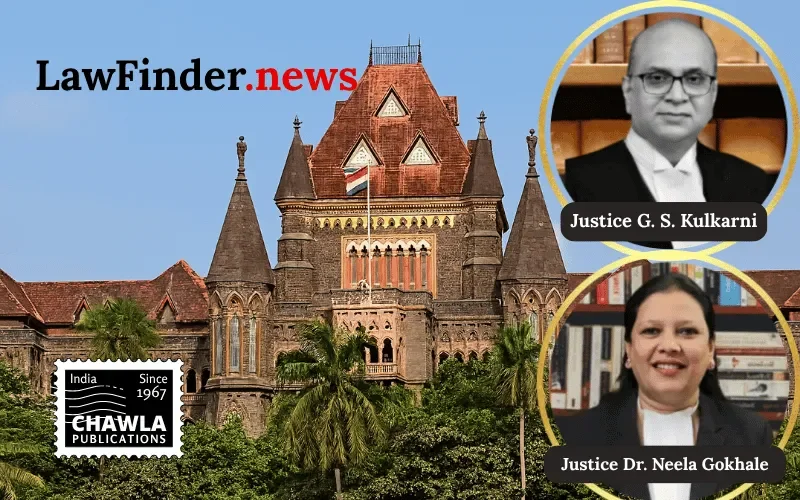
In a significant suo motu public interest litigation (PIL) concerning noise and environmental pollution, the Bombay High Court has reiterated and strengthened its earlier directives to curb public nuisance caused by unregulated bursting of firecrackers and use of amplified music systems on public streets during festivals. The judgment, delivered by a Division Bench comprising Justices G. S. Kulkarni and Dr. Neela Gokhale on 21 October 2026, highlights the slow compliance by official machinery in implementing the Court's orders and underscores the urgency of effective enforcement to protect citizens' constitutional rights.
The Court observed that despite detailed orders passed on 22 September and 15 October 2026, the responsible authorities, including the Municipal Corporation and Maharashtra Pollution Control Board (MPCB), had failed to undertake even preliminary steps such as issuing public notices to inform citizens about the total ban on bursting firecrackers on public streets, roads, lanes, and footpaths throughout the year and across all festivals. The Court emphasized that such notices must highlight the harmful effects of firecracker-induced noise and air pollution and appeal to the public to refrain from these activities, especially in silence zones like hospitals, schools, government offices, and courts.
The Court has mandated the Municipal Corporation and MPCB to immediately publish awareness campaigns through newspapers, electronic and social media platforms by 24 October 2026. It also directed the establishment of a comprehensive complaint mechanism with dedicated telephone numbers and ward-wise email addresses to facilitate prompt reporting and redressal of violations.
On the law enforcement front, the Court expressed concern over the apparent lack of awareness and enforcement by the police regarding prior permissions for using sound systems in processions and the continued bursting of firecrackers on busy public streets. Accordingly, the Commissioner of Police, Mumbai, was directed to convene a meeting with all police station officers to apprise them of the Court's orders and prepare a Standard Operating Procedure (SOP) to ensure strict adherence. The police officers were instructed to enforce a total ban on firecrackers during festivities on public streets and prevent unauthorized use of amplified music systems without valid licenses displaying compliance with decibel limits.
The Court underscored the constitutional mandate under Articles 14 and 21, stating that any failure by police authorities to act against violations would be viewed seriously and could result in accountability measures against the erring officials. It also mandated the appointment of nodal officers by the Collector, Municipal Commissioner, and Police Commissioner to coordinate enforcement and facilitate public grievance redressal.
The judgment further called for the use of decibel meters and other technological devices by field staff to measure noise and air pollution, ensuring objective monitoring and enforcement.
Affidavits confirming compliance with these directions are to be filed by the Municipal Commissioner and Police Commissioner by the next hearing scheduled on 26 October 2026.
This ruling marks a firm step by the Bombay High Court to tackle environmental degradation and public nuisance caused by festive celebrations, balancing cultural practices with public health and constitutional rights.
Bottom Line:
Environmental pollution and public nuisance - Bombay High Court directed strict implementation of earlier orders imposing total ban on bursting firecrackers on public streets, roads and in silence zones during festivities throughout the year - Police Commissioner directed to convene meeting of all police station officers, prepare SOP for enforcement, and file affidavit of compliance - Municipal Corporation and Maharashtra Pollution Control Board directed to immediately publish awareness notices and create effective complaint and enforcement mechanism.
Statutory provision(s):
Constitution of India, 1950: Articles 14, 21; Environmental Protection Act, 1986; Maharashtra Police Act (relevant provisions on public order and noise regulation); Noise Pollution (Regulation and Control) Rules, 2000