Court rules that purchasers from erstwhile developer cannot enforce rights against society or its assets; affirms doctrine of no privity of contract with housing society post-termination of development agreement.
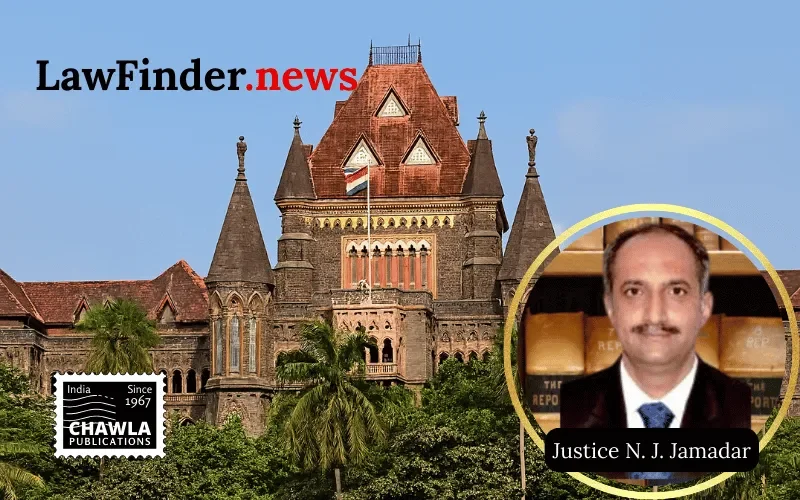
In a significant judgment delivered on November 18, 2026, the Bombay High Court dismissed multiple appeals filed by third-party purchasers of flats from an erstwhile developer against the Chembur Shivmurti Cooperative Housing Society. The appeals arose from a dispute concerning the redevelopment of society premises located at Subhash Nagar, Chembur, Mumbai, where the society had terminated its development agreement with the original developer due to defaults and appointed a new developer for the project.
The Court reaffirmed the legal position that third-party purchasers who have entered into sale agreements with a developer, whose agreement has been terminated by the housing society, do not acquire enforceable rights against the society or its assets, including any additional Floor Space Index (FSI) or free-sale components. This principle is grounded in the absence of privity of contract between the purchasers and the society.
Background and Facts:
The Chembur Shivmurti Cooperative Housing Society, comprising 36 members, initially engaged G.A. Builders Pvt Ltd as the developer under an agreement dated October 25, 2007, to redevelop its premises. However, the developer defaulted, abandoning partially constructed buildings and failing to pay transit rent to vacated members. Consequently, the society terminated the development agreement on August 8, 2019, and appointed a new developer.
Seventeen individuals had entered into agreements with the erstwhile developer to purchase units in the redevelopment project and had paid amounts accordingly. These purchasers claimed rights against the society following the termination of the initial development agreement.
Legal Proceedings:
The society filed arbitration under Section 9 of the Arbitration and Conciliation Act, 1996, resulting in orders restraining the erstwhile developer from obstructing the new redevelopment process and directing removal of the developer’s materials from the premises. Multiple petitions and consumer complaints were filed by the third-party purchasers seeking enforcement of their rights against the society, including writ petitions before the High Court and complaints before the National Consumer Dispute Redressal Commission (NCDRC).
The Maharashtra Real Estate Regulatory Authority (RERA) initially ordered the project registration to be kept in abeyance to maintain status quo pending resolution of the disputes. However, the Maharashtra Real Estate Appellate Tribunal (Appellate Tribunal) set aside this order, holding that third-party purchasers had no enforceable rights against the society and that the project registration should not be kept in abeyance.
Key Issues and Court’s Reasoning:
The Court analyzed whether legislative changes under the Real Estate (Regulation and Development) Act, 2016 (RERA) altered the position regarding third-party purchasers’ rights. While the appellants argued that RERA provisions such as Section 15(1) and Section 18 confer substantive rights on allottees even post-termination of the developer agreement, the Court held that these provisions do not create privity of contract between third-party purchasers and the society.
The Court relied on a series of earlier judgments, including Vaidehi Akash Housing Pvt Ltd v. New D.N. Nagar CHS Union Ltd and Goregaon Pearl Cooperative Housing Society Ltd v. Sandeep Grover, reaffirmed by Division Bench decisions. These rulings establish that third-party purchasers cannot enforce rights against the society’s assets upon termination of the development agreement with the erstwhile developer.
The Supreme Court’s recent decision in Goregaon Pearl Cooperative Housing Society Ltd v. Sandeep Grover, which took a different view, was distinguished by the Court as being fact-specific and not laying down binding precedent under Article 141 of the Constitution, especially since the Supreme Court’s dismissal of related appeals was by a non-speaking order.
The Court further explained the doctrine of merger, clarifying that dismissal of a statutory appeal by the Supreme Court merges the lower court’s order into the Supreme Court’s order, but such dismissal without reasons does not create binding precedent applicable to other cases.
The Court emphasized that keeping the project registration in abeyance and maintaining status quo, as initially ordered by RERA, would cause undue hardship to society members who had been waiting for redevelopment for over a decade. Therefore, the Appellate Tribunal rightly set aside the abeyance order.
Conclusion and Order:
The Bombay High Court dismissed all second appeals filed by the third-party purchasers, thereby upholding the Appellate Tribunal’s decision. The Court held that no substantial question of law arose warranting interference with the Tribunal’s order, and the appellants’ remedies lie against the erstwhile developer, not the society.
This judgment reinforces the principle that housing societies are entitled to protect their interests by terminating development agreements with defaulting developers and are not bound to honor contracts entered into by such developers with third-party flat purchasers. It also clarifies the limited applicability of RERA protections in cases involving termination of developer agreements.
Bottom Line:
Real Estate (Regulation and Development) Act, 2016 (RERA) - Third-party purchasers from an erstwhile developer cannot enforce their rights against a housing society or its assets if the society terminates the development agreement with the developer and appoints a new developer or opts for self-redevelopment.
Statutory provision(s): Real Estate (Regulation and Development) Act, 2016 Section 15(1), Section 18; Arbitration and Conciliation Act, 1996 Section 9, Section 17; Maharashtra Cooperative Societies Act, 1960.
Ashwin Jain v. Chembur Shivmurti Cooperative Housing Society, (Bombay) : Law Finder Doc Id # 3212036