Court Rules That Brutal Bride Burning Case Falls Under Category 2(C) of 2010 Maharashtra Prison Guidelines, Prescribing 26 Years Imprisonment, Rejecting Claim for Category 1(B) Benefit Meant for Women Offenders
In a significant judgment dated October 30, 2026, the Bombay High Court (Aurangabad Bench) dismissed the criminal writ petition filed by Ashabai Puna Tayade, a woman convicted in a heinous bride burning case, seeking premature release under a more lenient category of the Maharashtra Prison Guidelines, 2010.
Ashabai Tayade was convicted for offences under Sections 498A and 302 read with Section 34 of the Indian Penal Code for the brutal burning death of her daughter-in-law, Vandana, within three years of marriage. Vandana was subjected to severe harassment due to her inability to conceive and was doused with kerosene and set on fire by her mother-in-law and sisters-in-law, including the petitioner.
The petitioner had completed over 15 years of actual imprisonment and sought re-categorization from Category 2(C) to Category 1(B) of the 2010 Guidelines to avail the benefit of premature release after serving 20 years instead of 26 years as prescribed for Category 2(C). Category 1(B) is a special category for offences committed by women, prescribing a lower minimum imprisonment period, while Category 2(C) deals with crimes against women and minors involving exceptional violence or death due to burns.
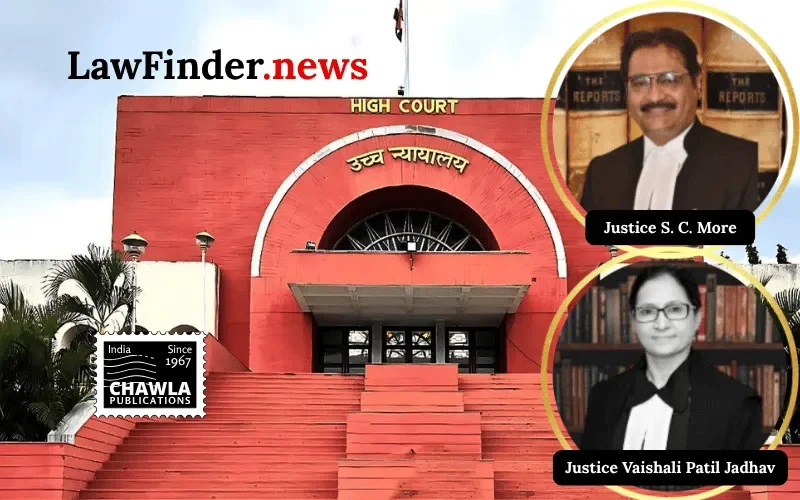
The Court, comprising Justices Sandipkumar C. More and Vaishali Patil-Jadhav, after hearing arguments from both sides, upheld the decision of the State Government to place the petitioner under Category 2(C). The Court emphasized the victim-centric nature of this category, which was introduced in 2010 to address the alarming rise of dowry deaths and bride burning incidents by prescribing a stricter regime to serve as a deterrent.
Rejecting the petitioner's argument that her gender should entitle her to the special category 1(B) meant for women offenders, the Court clarified that where both the accused and the victim are women, the categories must be harmoniously construed. It noted that the crime was committed against a woman with exceptional brutality and caused death by burning, clearly falling within the ambit of Category 2(C).
The judgment referred extensively to Supreme Court precedents including State of Haryana v. Jagdish (2010 AIR SC 1690) and various High Court decisions, which held that while liberal policies should be applied to convicts, this principle does not allow erroneous categorization that ignores the nature and gravity of offences, especially those aimed at protecting women victims.
The Court reiterated that beneficial policies pertain to choosing more favorable government policies over time but do not permit a convict to ignore victim-centric classifications designed to address specific crimes like dowry deaths. It held that applying Category 1(B) would undermine the deterrent purpose of Category 2(C).
This ruling underscores the judiciary's commitment to balancing the rights of convicts with the need to uphold justice for victims of gender-based violence. It sends a strong message that premature release benefits will not be granted automatically on the basis of the offender's gender where the crime involves extreme brutality against women.
The writ petition was dismissed, and the State's order placing Ashabai Tayade under Category 2(C), prescribing 26 years of imprisonment including remission, was upheld.
Bottom Line:
Premature release - Woman convict in bride burning case cannot claim automatic benefit of Category 1(B) of 2010 Guidelines merely because she is a woman - Where victim was a woman and death was caused due to burns with brutality, case rightly falls under Category 2(C) of 2010 Guidelines prescribing 26 years including remission.
Statutory provision(s):
Sections 498A, 302, 34 of Indian Penal Code, 1860; Maharashtra Prison Guidelines, 2010 (Category 1(B), Category 2(C)); Maharashtra Prison Guidelines, 1992 (Category 1(d))