Court holds that mere negligence of passenger while boarding or de-boarding does not bar compensation under Section 124A of Railways Act, 1989; Appellant awarded Rs. 8 lakh or Rs. 4 lakh with interest
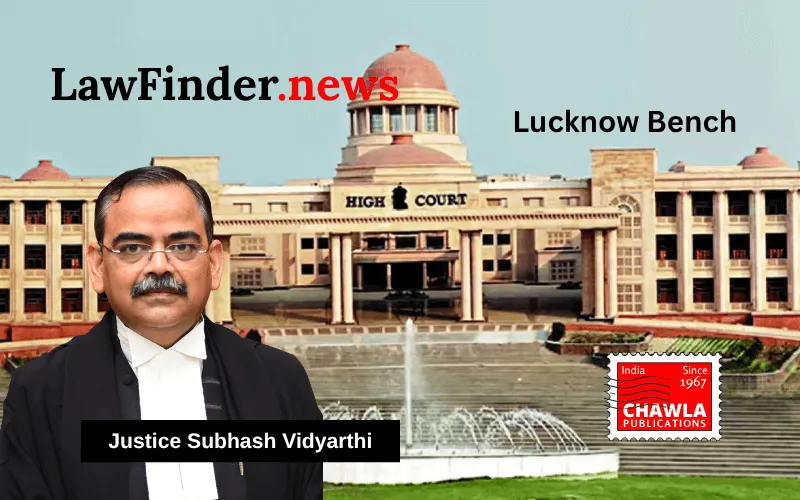
In a significant judgment dated 15th September 2026, the Calcutta High Court, led by Justice Biswaroop Chowdhury, upheld the entitlement to compensation for the family of a woman who died after accidentally falling from a train. The case, Sukumar Mondal v. Union of India & General Manager, South Eastern Railway, revolved around the interpretation of "untoward incident" under Section 124A of the Railways Act, 1989, and the liability of the railway administration for compensation even in cases involving passenger negligence.
Facts of the Case:
The deceased, Suparna Mondal, wife of the appellant Sukumar Mondal, was traveling with her husband and two children from Jhargram to Howrah by an express train on 21st January 2012. During the journey, the train stopped near Uluberia station due to a red signal. Sukumar and his children de-boarded, but when Suparna tried to get down, the train started moving, and she fell from the train, sustaining grievous injuries. Despite being admitted to multiple hospitals, she succumbed to her injuries on 5th March 2012.
The appellant filed a claim for compensation under Sections 124A and 125 of the Railways Act, 1989, which was dismissed by the Railway Claims Tribunal on the grounds that the incident was not an untoward incident and the deceased was negligent in attempting to get down from a running train. The Tribunal also noted the absence of a ticket in the deceased's name.
Legal Issues and Contentions:
The primary legal issues before the High Court were:
1. Whether the fall of the deceased constituted an "untoward incident" under Section 124A of the Railways Act, 1989.
2. Whether the negligence of the deceased in attempting to get down from a non-platform area of a running train disentitles her dependents from compensation.
3. The effect of non-recovery of a ticket from the deceased on the claim for compensation.
The appellant argued that the fall was accidental and an untoward incident. It was contended that mere negligence does not amount to self-inflicted injury or suicide, which are exceptions under Section 124A. The presence of a valid ticket with the appellant, traveling together with the deceased, was relied upon to establish that she was a bona fide passenger.
The railway respondents contended that the deceased's own negligence caused the accident and that the absence of a ticket in her name negated the claim.
Court's Analysis:
The Court extensively examined the provisions of Section 124A of the Railways Act, which mandates compensation for death or injury arising out of an untoward incident during railway working, irrespective of fault, except in specific exceptions such as suicide, self-inflicted injury, criminal acts, intoxication, insanity, or natural causes.
The Court referred to authoritative Supreme Court rulings, including:
- Union of India v. Rina Devi (2019), which held that compensation claims cannot be denied merely because of the absence of a ticket or minor procedural lapses, emphasizing the burden of proof on the railway administration to disprove bona fide passenger status.
- Jameela v. Union of India (2010), which clarified that negligence by the passenger does not amount to self-inflicted injury and cannot bar compensation under no-fault liability principles.
- Union of India v. Prabhakaran Vijaya Kumar, which advocated a liberal interpretation of "untoward incident" to include accidental falls while boarding or de-boarding, even if from a moving train.
The Court found that the deceased fell from the train while trying to get down at a location where the train was stopped due to a red signal, although not at a platform. Given the circumstances, and that her husband and children had already alighted, the deceased's attempt to get down was understandable.
On the question of negligence, the Court held that mere negligence does not fall within the exceptions of Section 124A and cannot bar compensation. The Court emphasized the beneficial nature of the legislation and the no-fault liability imposed on the railway administration.
Regarding the ticket, the Court observed that the absence of a ticket in the deceased's name is not conclusive since the family was traveling together and the ticket could have been with the appellant. It is common for a family to hold a single ticket or for one member to possess the ticket for all.
Judgment and Relief:
The Court allowed the appeal, setting aside the Railway Claims Tribunal's dismissal of the claim. It held that the death of the deceased was an untoward incident under Section 124A of the Railways Act and that the appellant was entitled to compensation.
The Court directed the respondent railway to pay Rs. 4,00,000 with 9% interest from the date of filing the claim until the date of payment or Rs. 8,00,000, whichever is higher, within eight weeks. The appellant was entitled to withdraw the compensation after completing necessary formalities.
Significance:
This judgment reaffirms the principle that the Railways Act, being a beneficial statute, must be interpreted liberally to ensure that compensation is not denied lightly. It clarifies that the railway administration's liability is strict and no-fault based under Section 124A, shielding passengers and their families from suffering due to railway accidents even if contributory negligence exists.
The ruling also dispels the misconception that absence of a ticket automatically negates the bona fide passenger status, thus protecting genuine claimants from procedural technicalities.
This decision strengthens passenger rights and reinforces the accountability of railway authorities in ensuring passenger safety and prompt compensation in case of accidents.
Bottom Line:
Railway Accidents - Compensation for untoward incidents under Section 124A of the Railways Act, 1989 - Mere negligence of the passenger while traveling is not a ground to deny compensation.
Statutory provision(s):
Railways Act, 1989 Section 123(c)(2), Section 124A, Section 125, Code of Criminal Procedure Section 174