Appellate Court Upholds the Presumption of Correctness of Official Reports in Reversing Acquittal under Section 135 of the Electricity Act
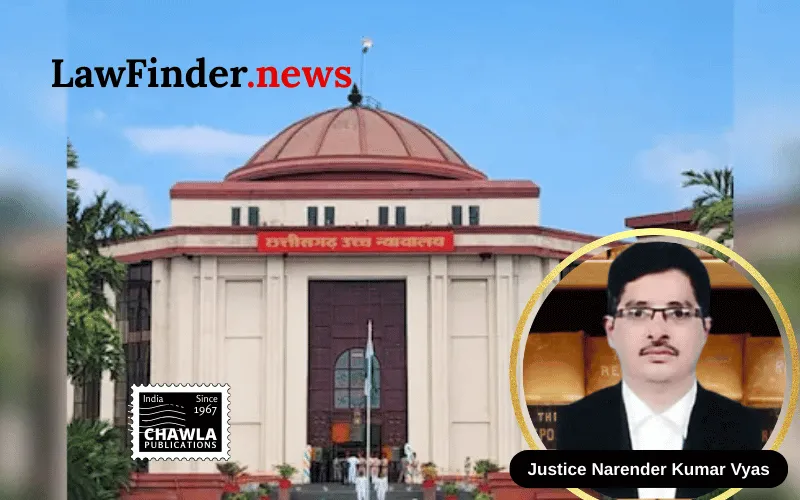
In a significant ruling, the Chhattisgarh High Court has overturned the acquittal of Dinesh Chandra, who was initially cleared of charges related to electricity theft by the Special Judge under the Electricity Act, 2003, District Janjgir Champa. The appellate court, presided over by Justice Narendra Kumar Vyas, found that the trial court's decision was perverse and failed to consider material evidence, thereby convicting the respondent for dishonest use of electricity under Section 135 of the Electricity Act, 2003.
The case stemmed from an inspection by a vigilance team on March 10, 2014, which found that Dinesh Chandra had been illegally using electricity through a direct hook from a low tension line after his official connection was disconnected due to non-payment. This unauthorized consumption of electricity was documented through a panchnama and an inspection report, which the trial court had dismissed, citing procedural lapses and lack of independent witness testimony.
The High Court highlighted the importance of presuming the correctness of official documents like inspection reports and panchnamas, unless rebutted by clear and cogent evidence. Justice Vyas emphasized that the lack of independent witnesses does not automatically invalidate such documents, especially when they are executed in the discharge of official duties.
The court also clarified the distinct roles of Sections 126 and 135 of the Electricity Act, noting that while Section 126 deals with the assessment of dues for unauthorized use of electricity, Section 135 pertains to criminal proceedings for theft. Both provisions can operate simultaneously without mutual exclusion.
Moreover, the appellate court found the trial court's reliance on the absence of Form No. 3 and Form No. 6 as misplaced, explaining that their preparation was not mandated under the circumstances of this case. The High Court ordered Dinesh Chandra to pay the assessed amount of Rs. 43,623 along with a fine of Rs. 5,000, failing which he would face simple imprisonment for three months.
This judgment underscores the judiciary's stance on the grave implications of electricity theft, which not only impacts utility companies but also burdens the public exchequer, and reaffirms the legal presumption in favor of official documentation in criminal proceedings under the Electricity Act.
Bottom line:-
Electricity Theft - Acquittal by trial court reversed - Presumption of correctness of official reports like panchnama and inspection report unless rebutted by cogent evidence - Dishonest use of electricity constitutes theft under Section 135 of the Electricity Act, 2003 - Onus on accused to rebut presumption of guilt.
Statutory provision(s): Electricity Act, 2003 Sections 135, 126; Chhattisgarh Electricity Rules, 2006 Rule 7; Criminal Procedure Code, 1973 Section 386; Bharatiya Nagarik Suraksha Sanhita, 2023 Section 427