Court rules State Bank of India responsible for failing to communicate insurance proposal rejection, resulting in financial loss to the borrower's nominee.
In a significant ruling, the Chhattisgarh High Court has dismissed a writ petition filed by the State Bank of India (SBI), affirming the judgments of the National, State, and District Consumer Disputes Redressal Commissions. The case, titled "Branch Manager State Bank of India v. Smt. Rashmi Shrivastava," revolved around the bank's failure to adequately communicate the rejection of an insurance proposal under a group insurance scheme, thereby constituting a deficiency in service.
The case originated when Smt. Rashmi Shrivastava, the nominee of a deceased borrower, filed a complaint alleging that SBI, as the Master Policy Holder for a group insurance scheme, neglected to inform her late husband about the rejection of his insurance proposal. This oversight prevented the deceased from securing insurance coverage that would have settled his outstanding home loan in the event of his death. Despite regular premium payments, the insurance proposal was rejected due to unmet medical requirements, and the bank failed to notify the borrower or refund the premium amount during his lifetime.
The District Consumer Commission found SBI guilty of not communicating the rejection and refund, thereby depriving the borrower and his nominee of the insurance benefits. The State and National Commissions upheld this finding, emphasizing the bank's duty as the Master Policy Holder to ensure compliance with insurance requirements and timely communication of any deficiencies or rejections.
SBI's appeal to the High Court challenged the jurisdiction of the consumer forums and the interpretation of "consumer" under the Consumer Protection Act, 2019. The bank contended that its role was limited to premium collection and remittance, arguing that the insurance company was solely responsible for communicating proposal statuses.
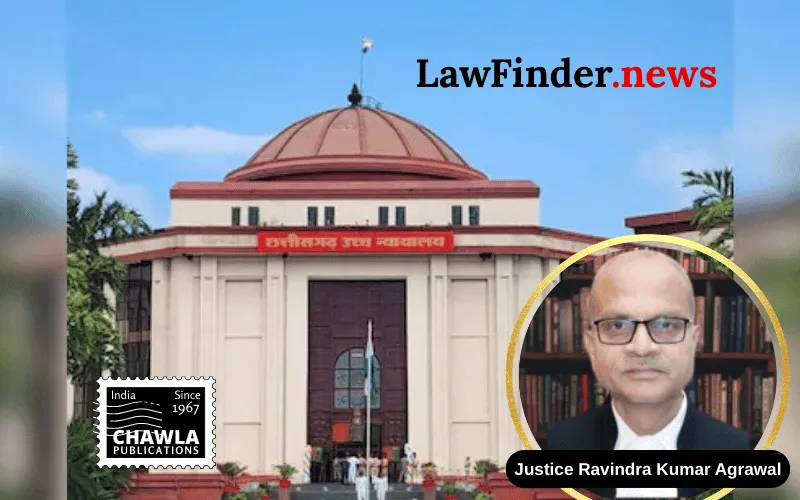
However, the High Court, presided over by Justice Ravindra Kumar Agrawal, dismissed the petition. The court emphasized that the bank's role as the Master Policy Holder extended beyond mere premium collection, involving a duty to facilitate insurance coverage and communicate proposal outcomes. The court also clarified that the nominee, as a beneficiary of the services hired, qualified as a "consumer" under the Act.
The ruling reinforces the accountability of banks in group insurance schemes, highlighting their responsibilities in ensuring borrowers are informed of any proposal deficiencies or rejections. The decision underscores the broader interpretation of consumer rights under the Consumer Protection Act, aiming to safeguard beneficiaries' interests in financial and insurance services.
Bottom line:-
A bank, being the Master Policy Holder under a group insurance scheme, has a duty to ensure compliance with the requirements necessary for obtaining insurance coverage and to communicate deficiencies, rejection of the proposal, or refund of premium to the borrower. Failure to discharge such duties constitutes deficiency in service.
Statutory provision(s):
Consumer Protection Act, 2019 Sections 2(7), 21; Article 227 of the Constitution of India