Insurance Company Exonerated; Court Orders Owner and Driver to Pay Compensation from Date and Time of Policy Issuance
In a significant ruling, the Chhattisgarh High Court has upheld the liability of the owner and driver of a Tata Sumo involved in a tragic road accident, exonerating the insurance company from compensation claims due to the insurance policy's effective date being post-accident. The court also enhanced the compensation for the victims involved in the accident, underscoring the necessity of clear insurance contract terms and liability determinations.
The accident occurred on April 19, 2019, when a Tata Sumo, driven by Gopi Sahni, collided with a motorcycle carrying three riders, resulting in two deaths and serious injuries to the third rider, Ranjit Bhunjia. The claimants filed three separate applications under Section 166 of the Motor Vehicles Act, 1988, seeking compensation for the loss and injuries sustained.
The crux of the appeal revolved around the timing of the insurance policy, with the owner contending that the premium was paid prior to the accident. The insurance company argued that the coverage commenced only from midnight of April 20, 2019, and thus it wasn't liable for the accident that occurred two hours prior to the policy's effectuation.
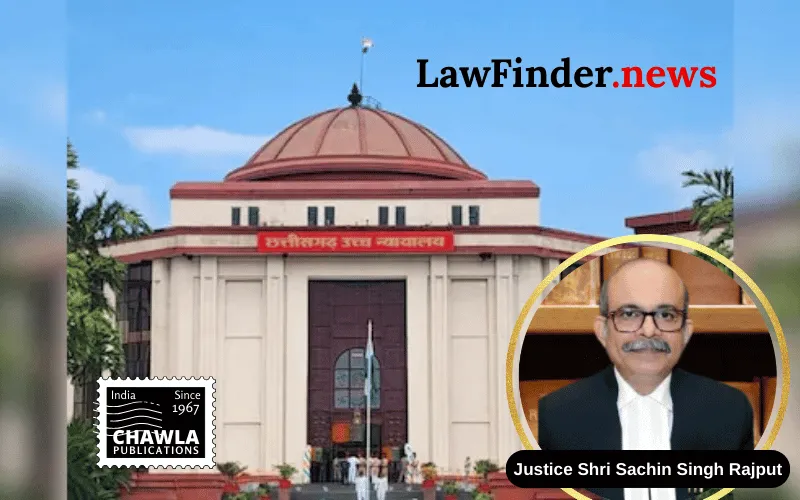
The court, presided by Justice Sachin Singh Rajput, reiterated that the mere acceptance of premium does not automatically bind the insurance company unless the risk is expressly accepted through policy issuance. The judgment emphasized that the effective date and time of the policy are crucial in determining the insurance coverage, aligning with established Supreme Court precedents.
Additionally, the court addressed the issue of contributory negligence, dismissing claims that the motorcycle riders' violation—carrying three persons—contributed to the accident. The court reasoned that without causal evidence linking the violation to the accident's impact, contributory negligence could not be established.
In a detailed reassessment, the court enhanced the compensation for the victims. Ranjit Bhunjia, who suffered an amputation, was awarded Rs. 3,90,800, while the families of deceased Bisnath Bhunjia and Panchram Bhunjia were awarded Rs. 4,26,400 and Rs. 21,57,800, respectively. The enhanced compensation was determined after considering the victims' professions, earning capacities, and Supreme Court guidelines on loss assessment.
The court directed the owner and driver to deposit the enhanced compensation within 60 days, ensuring fair apportionment among the claimants as per legal standards. The judgment serves as a reminder of the critical importance of timely insurance policy activations and the legal implications of policy terms.
Bottom line:-
Motor Vehicles Act, 1988 - Insurance liability - Acceptance of premium does not automatically create an insurance contract unless the risk is expressly accepted by issuing the policy. Date and time of issuance of the policy are determinative of coverage and not the date of premium deposit.
Statutory provision(s): Motor Vehicles Act, 1988 Section 166
Gopi Sahni v. Ranjit Bhunjia, (Chhattisgarh) : Law Finder Doc id # 2931807