Loreal SA's Plea to Include Trademark Infringement in Existing Passing Off Suit Accepted, Avoiding Multiplicity of Litigation
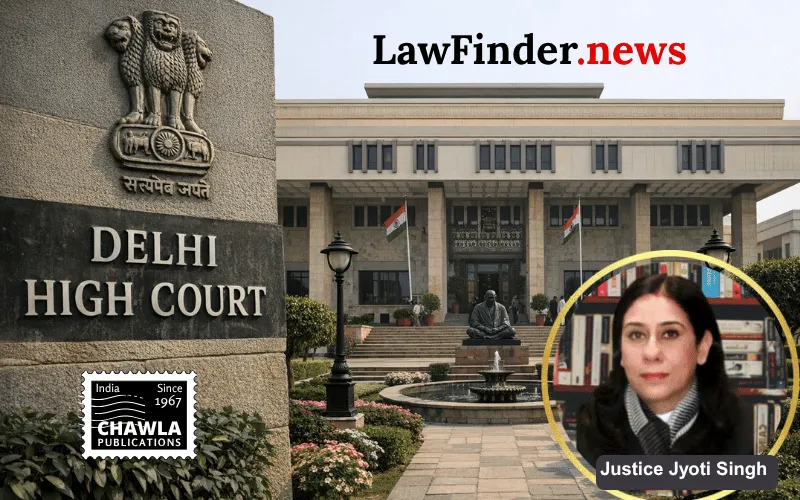
In a significant development, the Delhi High Court, presided by Justice Jyoti Singh, has quashed a lower court's order, thereby permitting Loreal SA to amend its plaint in an ongoing trademark dispute. The case, initially filed as a suit for passing off against Vekariya Nikunj Arvindbhai and others, will now include claims of trademark infringement following the registration of Loreal's mark GARNIER BRIGHT COMPLETE.
Loreal SA initiated the suit against the respondents, alleging that they marketed products under marks similar to its own, causing consumer confusion. During the suit's pendency, Loreal obtained trademark registration for GARNIER BRIGHT COMPLETE, prompting the company to seek amendment of its plaint to incorporate claims of infringement.
The trial court had previously rejected Loreal's amendment application, arguing that the registration created a new cause of action distinct from passing off, which was not mentioned in the original plaint. Justice Singh, however, overturned this decision, emphasizing the necessity of the amendment to address the real controversy between the parties comprehensively and prevent multiple lawsuits.
The High Court referenced several precedents underscoring a liberal approach to amendments, especially when they are essential for resolving the core dispute and ensuring justice. This aligns with the principle that amendments can be allowed at any stage of proceedings if they are crucial for determining the actual issue in controversy.
Justice Singh's judgment highlighted that both passing off and infringement actions arise from the same set of facts and involve similar legal parameters. Thus, integrating infringement claims into the existing suit is not only permissible but also expedites the judicial process by avoiding separate litigation.
The ruling is expected to streamline the adjudication process and reinforce the judiciary's commitment to effective and comprehensive dispute resolution. The amended plaint will now be taken on record by the trial court, enabling Loreal to pursue its infringement claims alongside the passing off allegations.
Bottom line:-
Amendments to pleadings under Order VI Rule 17 CPC can be allowed at any stage of proceedings, including post-commencement of trial, if necessary to decide the real controversy between the parties and avoid multiplicity of litigation.
Statutory provision(s): Civil Procedure Code, 1908 Order VI Rule 17, Article 227 of the Constitution of India.
Loreal SA v. Vekariya Nikunj Arvindbhai, (Delhi) : Law Finder Doc id # 2940799