Court emphasizes that writ jurisdiction under Article 226 should not substitute statutory appeal process in factual disputes involving GST penalties
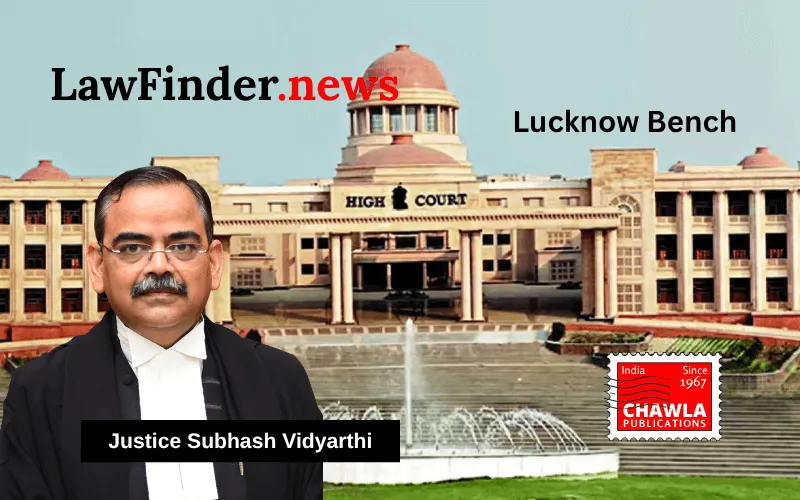
In a significant ruling dated September 15, 2026, the Delhi High Court, in a division bench comprising Justices Anil Kshetarpal and Shail Jain, dismissed two writ petitions filed by directors of Sterne India Private Limited challenging a massive penalty imposed under the Central Goods and Services Tax (CGST) Act, 2017. The penalty order, amounting to over Rs. 27 crore, was passed by the Commissioner of CGST, Delhi West Commissionerate, based on findings of fraudulent availment of Input Tax Credit (ITC) through fake invoices.
The petitioners, Mr. Rishiraj Singh Rathore and Mr. Khushnud Khan, who were directors of the company involved in trading mobile phones and electronic goods, sought to quash the penalty order through writ petitions under Article 226 of the Constitution of India. They contended that the proceedings leading to the penalty were flawed due to non-issuance of show cause notice (SCN) and denial of personal hearing, and thus warranted judicial intervention.
The Court, however, underscored the availability of an efficacious statutory remedy under Section 107 of the CGST Act, 2017, providing for an appeal against such penalty orders. It held that writ jurisdiction is not a substitute for the statutory appellate remedy, especially when the grievances raised are factual in nature and can be effectively addressed by the appellate authority.
The Court observed that questions such as whether the SCN was duly served to the directors and whether the opportunity for personal hearing was denied require detailed examination of records and material evidence, which are within the domain of the appellate authority. The absence of power in the appellate authority to remand the matter for fresh consideration was found not to impede its competence to decide the appeal on merits after independent appraisal of the case.
Furthermore, the Court granted liberty to the petitioners to seek exclusion of the time period during which the writ petitions were pending, under Section 14 of the Limitation Act, 1963, when filing their appeal. The judgment clarifies that the decision not to entertain the writ petitions is confined to maintainability issues and does not prejudice the merits of the case, which remains open for consideration by the appellate authority.
This ruling reinforces the principle that High Courts should exercise writ jurisdiction cautiously and not bypass the prescribed statutory mechanisms where adequate alternative remedies exist. It also highlights the importance of procedural compliance in GST investigations and the avenues available for redressal of grievances arising from administrative orders.
Bottom Line:
Writ jurisdiction under Article 226 of the Constitution cannot be invoked as a substitute for statutory appellate remedies, particularly when the grievance is factual and capable of being addressed by the Appellate Authority.
Statutory provision(s):
Central Goods and Services Tax Act, 2017 Section 107, Section 122(1A); Constitution of India, Article 226; Limitation Act, 1963 Section 14