Court upholds university's minimum marks criteria for hostel renewal but emphasizes duty to maintain food hygiene and grants compassionate relief for student who suffered typhoid allegedly due to unhygienic mess food
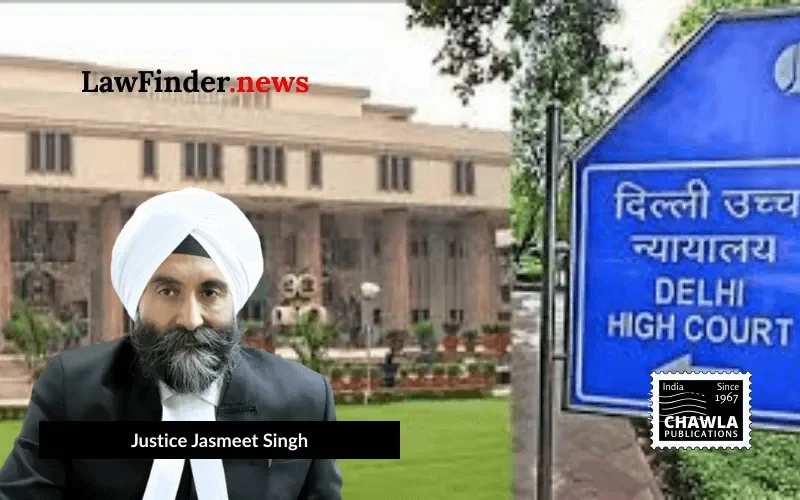
In a significant judgment dated October 5, 2026, the Delhi High Court, presided over by Justice Jasmeet Singh, addressed the contentious issue of hostel accommodation renewal at Jamia Millia Islamia (JMI) University. The writ petition was filed by Umehabbeeba Quadri, a 20-year-old B.A. (Hons.) Persian student, challenging her eviction from the Begum Hazrat Mahal Girls' Hostel on grounds of not meeting the university's stipulated minimum academic criteria.
The university's hostel manual clearly states under Clause 7(f) that only those students who have secured a minimum of 55% aggregate marks in their previous examinations, cleared all dues, and maintained satisfactory conduct reports are eligible for renewal of hostel accommodation. The petitioner failed to meet the 55% marks benchmark, which was the primary reason for the university withdrawing her hostel facility.
However, the petitioner contended that her poor academic performance was directly linked to health issues caused by the substandard quality and unhygienic food served in the university mess, including an episode of typhoid. She further claimed that her eviction was not only a breach of natural justice but also retaliatory for raising grievances regarding mess food quality.
The court acknowledged the university's right to enforce academic eligibility criteria for hostel residency and found no fault in the withdrawal of accommodation on this basis. Nonetheless, the court underscored the critical importance of the quality and hygiene of hostel mess food, noting that students cannot perform optimally without good quality, hygienic food. The court emphasized that the university must not adopt a casual approach in this regard and must exercise extra caution to ensure food safety.
Responding to the court's concerns, the university assured that it had replaced the food contractor and implemented measures to maintain food quality, including having university staff dine with students to monitor standards actively.
While upholding the university's decision on eligibility, the court took a compassionate stance towards the petitioner's health-related predicament. It directed the university to treat the writ petition as a representation and consider allotting any unoccupied hostel accommodation to the petitioner on a compassionate basis within seven days. The court clarified that this relief should not be construed as setting a precedent.
This judgment balances the university's administrative autonomy with the welfare of students, highlighting the institutional responsibility to maintain hygienic living conditions while adhering to academic standards.
Bottom Line:
University hostel accommodation renewal can be denied where student does not fulfil minimum marks criterion under hostel manual; however, Court may direct compassionate consideration for allotment where student's poor health was allegedly caused by unhygienic hostel food, while also emphasizing the University's duty to maintain quality and hygiene of mess food.
Statutory provision(s): Constitution of India, 1950 Article 226
Umehabbeeba Quadri v. Jamia Millia Islamia, (Delhi) : Law Finder Doc Id # 2998048