Court directs Meta and government agencies to remove and block infringing content within 72 hours; exempts plaintiff from pre-institution mediation citing urgency of relief
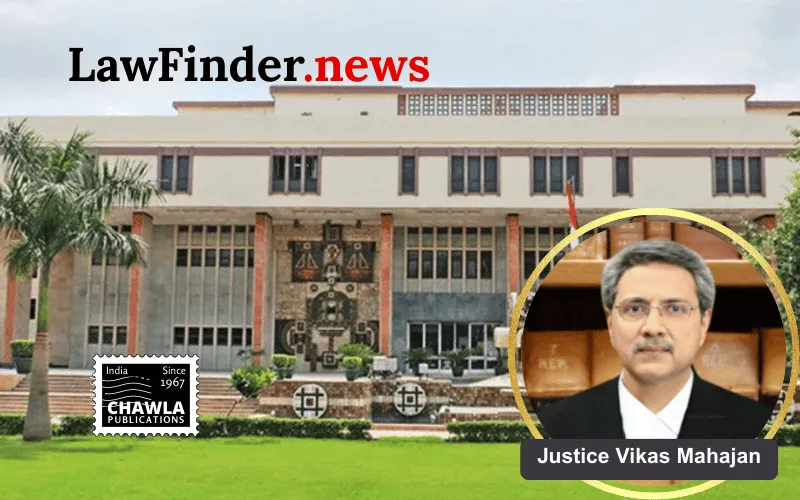
In a landmark judgment delivered on October 8, 2026, the Delhi High Court, presided by Justice Vikas Mahajan, granted an ex parte ad interim and dynamic injunction in favor of celebrated actor and sitting Member of Parliament Kangana Ranaut. The injunction restrains Meta Platforms Inc and other defendants from creating, publishing, or disseminating any unauthorized AI-generated content, deepfakes, manipulated videos, fabricated quotes, and impersonation material involving Kangana Ranaut's name, image, likeness, voice, signature, and persona.
The Court acknowledged the plaintiff's stature as a prominent public figure with substantial reputation, goodwill, and proprietary rights over her personality attributes. Kangana Ranaut, who has an illustrious career spanning over two decades with multiple National Film Awards and the prestigious Padma Shri award, also serves as an elected Member of Parliament representing the Mandi Parliamentary Constituency. The Court emphasized that her personality rights and publicity rights are protectable against unauthorized exploitation, especially on digital platforms where AI-generated and morphed content can cause irreparable harm.
The plaintiff had filed the suit after discovering various instances of AI-generated and digitally manipulated content falsely depicting her in inappropriate and offensive scenarios, including sexual and pornographic deepfakes, fabricated speeches, false endorsements, and misleading audio-visual material. These acts were held to be not isolated but a continuing pattern that significantly harmed her dignity, reputation, and public image.
Highlighting the obligations of intermediaries under the Information Technology (Intermediary Guidelines and Digital Media Ethics Code) Rules, 2021, the Court directed Meta (defendant no. 2) to remove, disable access to, and permanently take down the identified infringing content listed in the Court's annexures within 72 hours of notice. Additionally, the Ministry of Electronics and Information Technology and the Department of Telecommunications were instructed to issue directives to Internet Service Providers (ISPs) and Technology Service Providers (TSPs) to block access to infringing websites within the same timeframe.
Recognizing the dynamic nature of online infringement-where mirror accounts, cloned profiles, and replacement URLs are frequently created-the Court permitted the plaintiff to notify additional infringing URLs and accounts discovered after the suit's filing, mandating their removal without the need for fresh litigation. The Court also clarified that non-primary infringing websites wrongly blocked may approach the Court for modification of the injunction.
Importantly, the Court exempted Kangana Ranaut from undergoing pre-institution mediation under Section 12A of the Commercial Courts Act, 2015, given the urgent nature of the relief sought concerning ongoing online dissemination of defamatory and deceptive content affecting her personality rights.
The interim injunction order prohibits the defendants and associated persons from unauthorized use or exploitation of the plaintiff's personality attributes and the creation or operation of any digital asset falsely implying association or endorsement by the plaintiff. The Court further mandated the filing of compliance affidavits within two weeks and issued notices to all defendants for written statements and pleadings.
This judgment marks a significant step in safeguarding personality and publicity rights of public figures in the digital age, particularly addressing the challenges posed by AI-generated synthetic media and deepfakes. It underscores the legal responsibility of digital intermediaries to prevent the circulation of obscene, pornographic, misleading, and false content and empowers victims to seek urgent relief against online defamation and identity misuse.
Bottom Line:
Personality rights and publicity rights of a public figure are protectable against unauthorized use of name, image, likeness, voice and persona on digital platforms - Ex parte ad interim and dynamic injunction granted against AI-generated deepfakes, morphed sexual/pornographic content, fabricated quotes, manipulated videos and impersonation content - Intermediary directed to remove identified infringing content and Government authorities directed to issue blocking directions to ISPs/TSPs - Plaintiff also exempted from pre-institution mediation where urgent interim relief was genuinely contemplated.
Statutory provision(s):
Information Technology (Intermediary Guidelines and Digital Media Ethics Code) Rules, 2021 Rule 3(1)(b)(ii), Rule 3(1)(b)(v), Commercial Courts Act, 2015 Section 12A, Code of Civil Procedure, 1908 Order XXXIX Rules 1 & 2, Section 151 CPC, Bharatiya Sakshya Adhiniyam, 2023 Section 63(4)(c)
Kangana Ranaut v. Meta Platforms Inc, (Delhi) : Law Finder Doc Id # 2995516