Assessment Order Based Solely on Form 26AS Data Without Independent Inquiry Declared Unsustainable; Court Emphasizes Protection of Fundamental Rights and Mental Health of Low-Income Assessee
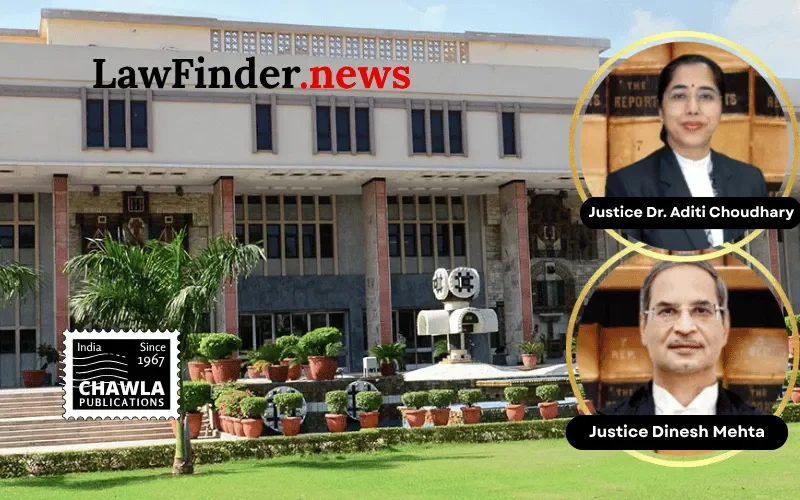
In a landmark judgment delivered on October 6, 2026, the Delhi High Court (Division Bench comprising Justices Dinesh Mehta and Dr. Aditi Choudhary) quashed an exorbitant income tax demand of approximately Rs. 3.91 crore raised against a contractual security guard/cook, Lalit, by the Income Tax Department. The judgment underscores the crucial need for procedural fairness, independent inquiry, and safeguarding the fundamental rights of economically weaker taxpayers.
The petitioner, Lalit, a low-income contractual employee with no taxable income, was shocked to receive a notice under Section 148A(b) of the Income Tax Act, 1961, alleging huge cash transactions amounting to over Rs. 24 crore linked to his Permanent Account Number (PAN). The Department's assessment order treated these transactions as his turnover and imposed an income determination and tax demand accordingly.
Lalit vehemently denied any connection with these transactions, asserting identity theft and misuse of his PAN. He filed police and cyber cell complaints, produced bank statements, and requested detailed information about the transactions. However, the Assessing Officer (AO) proceeded to pass the assessment order without supplying any adverse material to Lalit, nor conducting any independent inquiry or recording statements from the vendor, Montage Enterprises Pvt. Ltd., involved in the alleged transactions.
The Court observed that the entire assessment was based solely on data from Form 26AS and the Department's Risk Management Strategy without any cogent evidence linking Lalit to the transactions. The AO's approach was found arbitrary, including erroneously doubling the turnover by treating gross and net amounts separately, revealing a failure to understand basic accounting principles.
Importantly, the Court recognized that the statutory appellate remedy was illusory for Lalit, given his financial incapacity to furnish surety or deposit a substantial portion of the disputed demand, as required under the Central Board of Direct Taxes (CBDT) guidelines. The Court emphasized that the exorbitant demand, coupled with ongoing penalty proceedings, caused severe mental anguish and anxiety to the petitioner, affecting his right to life and dignity under Articles 14 and 21 of the Constitution of India.
Rejecting the Revenue's contention that disputed factual questions should be resolved only through statutory remedies, the Court exercised its writ jurisdiction to protect Lalit's fundamental rights. It stressed that a fair hearing and disclosure of relied-upon material are integral to natural justice, and an assessment without these is unsustainable.
Consequently, the Court quashed the impugned assessment order but granted liberty to the Revenue to initiate fresh proceedings if any credible incriminating material is found, subject to legal limitations.
This judgment sets a precedent emphasizing that the tax authorities must conduct thorough, fair inquiries before imposing massive demands on vulnerable taxpayers, especially where identity theft is alleged. It also reinforces judicial sensitivity towards the mental health implications of coercive fiscal actions on economically disadvantaged individuals.
Bottom Line:
Income Tax - Writ petition against assessment order entertained despite alternate remedy where huge tax demand against a poor contractual worker rendered appellate remedy illusory - Assessment based solely on Form 26AS/risk management data without supplying relied upon material, without independent inquiry, and in breach of natural justice held unsustainable - Assessment order quashed with liberty to proceed afresh on cogent incriminating material.
Statutory provision(s):
Income Tax Act, 1961 Sections 148A(b), 220(2), 133(6); Constitution of India Articles 14, 21
Lalit v. Union of India, (Delhi)(DB) : Law Finder Doc Id # 2997242



