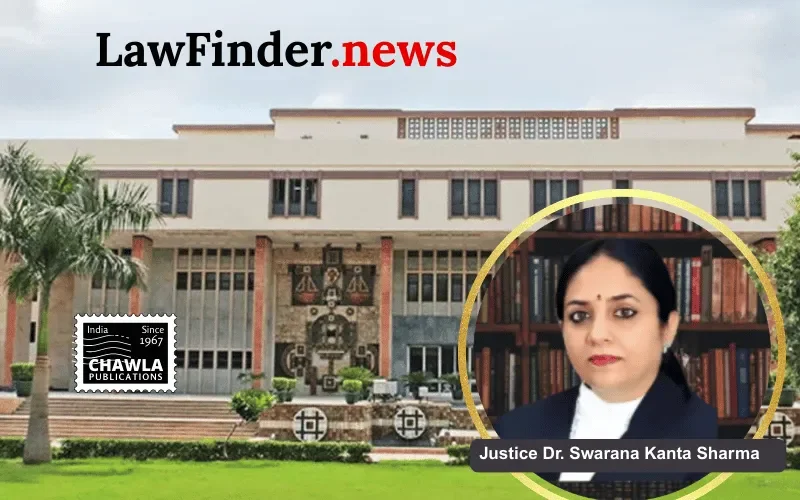
Bench emphasizes continuity in part-heard cases, rejects litigant's choice of Bench, and takes additional social media evidence on record without prejudice to future proceedings
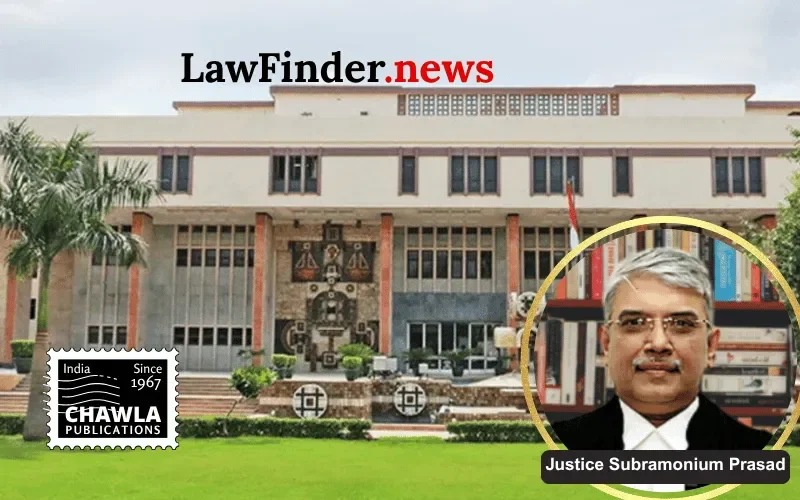
In a significant judgment dated October 8, 2026, the Delhi High Court, presided over by Justice Dr. Swarana Kanta Sharma, addressed a petition seeking the release of a part-heard criminal matter from the current Bench following a change in the judicial roster. The case, Shishir Chand v. Jai Anant Dehadrai, involved complex disputes between the parties concerning professional misconduct, alleged irregularities in medical qualifications, and multiple litigation proceedings including criminal defamation and other statutory complaints.
The petitioner, Shishir Chand, requested that the criminal matter CRL.M.C. 1780/2024 be released from the present Bench to be placed before the new roster Bench constituted from July 1, 2026. This application was made on the basis that the Court had released other criminal matters following the roster change and sought similar relief. The petitioner clarified that he did not seek adjudication on the merits but only a procedural change due to the roster.
The respondent, Jai Anant Dehadrai, a practicing advocate who had earlier represented the petitioner, opposed the release, highlighting the extensive judicial time already invested and warning against litigants using roster changes to seek favorable forums or delay proceedings. Respondent No. 1 also sought to place additional documents on record, including a compilation of social media posts by the petitioner that contained allegations against several sitting and former judges of the Supreme Court and Delhi High Court, as well as other public officials. He urged the Court to consider initiating contempt proceedings for criminal contempt based on the nature of the social media content.
Justice Sharma emphasized the importance of continuity in part-heard matters, explaining that once a matter is substantially heard, it is generally retained by the same Bench to avoid duplication of judicial effort and ensure efficient administration of justice. A change in roster does not automatically entitle a litigant to demand release of a part-heard case. The Court noted that release depends on various factors including the stage of proceedings, judicial time invested, and facts of the case. The Court also cautioned that the process of seeking release should not be abused as a tactic for forum shopping or delays.
Regarding the social media posts, the Court took the additional documents on record for understanding the background of the dispute but refrained from expressing any opinion on the truth, authenticity, or legal effect of the posts. The Court declined to initiate contempt proceedings at this stage, leaving the question open for consideration in appropriate proceedings and permitting the respondent to pursue remedies as per law.
After considering all aspects, including the absence of any specific allegation against the Court, the limited ground of the petitioner's application (change of roster), and the fact that the Court had no interest in retaining the matter, the Court found it appropriate to release the matter from the category of part-heard cases. The matter was directed to be listed before the concerned roster Bench as per the Chief Justice's orders.
The Court clarified that no opinion was expressed on the merits of the underlying petition or the rival allegations between the parties. The judgment reinforces the principle that litigants cannot demand a change of Bench as a matter of choice and that the judicial process must be protected from attempts to manipulate the forum for procedural advantage.
Bottom Line:
Part-heard matter - Change in roster does not create an automatic right to seek release of a part-heard case - Continuation or release of such matter depends on facts, stage of hearing and judicial time already invested - Litigant cannot seek change of Bench as a matter of choice - However, in overall circumstances, matter released from part-heard category and directed to be listed before concerned roster Bench - Additional documents including social-media posts taken on record without expressing opinion on truth or legal effect - Court declined to initiate contempt proceedings at that stage, leaving remedy open in appropriate proceedings.
Statutory provision(s):
Bharatiya Sakshya Adhiniyam, 2023 Sections 6, 7, 9, 12; Contempt of Courts Act, 1971; Indian Penal Code Section 304; Criminal Procedure Code Section 200, 340
Shishir Chand v. Jai Anant Dehadrai, (Delhi) : Law Finder Doc Id # 2994096