Challenge to constitutional validity of Section 16(2)(c) of CGST Act rejected; Court highlights procedural lapses and lack of factual foundation in tax demand under Section 74, remanding case for reconsideration
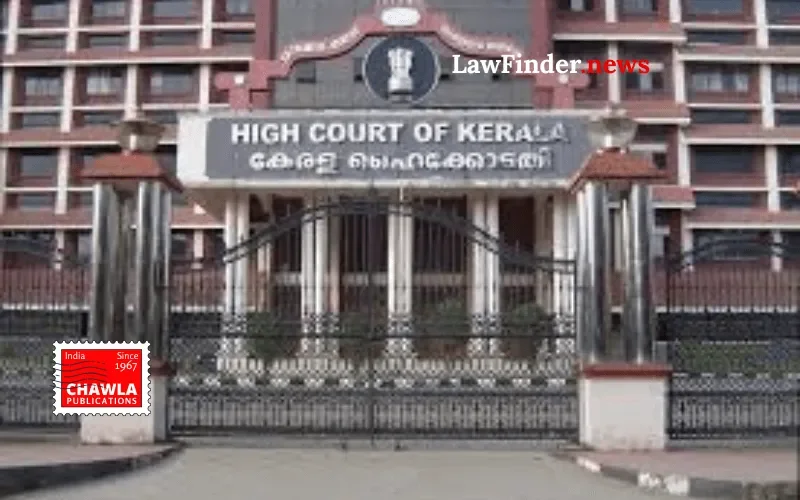
In a significant ruling delivered on September 29, 2026, the Delhi High Court (Division Bench) set aside the adjudication order passed against Treco Wire India Private Limited, which had confirmed a tax demand exceeding Rs. 3.34 crore on account of Input Tax Credit (ITC) availed from suppliers whose GST registrations were allegedly cancelled retrospectively. The court also quashed interest and penalty demands linked to the said ITC under Sections 50 and 74 of the Central Goods and Services Tax (CGST) Act, 2017, respectively, and directed a fresh adjudication.
The petitioner, Treco Wire India Pvt. Ltd., a manufacturer of copper wires registered under GST, was subject to an audit for the period July 2017 to March 2021. The audit alleged wrongful availment of ITC worth Rs. 3.34 crore on purchases from suppliers whose GST registrations were purportedly cancelled prior to invoice issuance. Additionally, interest of Rs. 50.3 lakh was demanded for delayed payments to suppliers beyond 180 days.
The petitioner challenged both the quantum of demand and the constitutional validity of Section 16(2)(c) of the CGST Act, which denies ITC where the supplier has not discharged tax liability, arguing that bona fide purchasers like them should not be penalized for suppliers' failures. The petitioner also disputed the invocation of Section 74, which deals with tax evasion involving fraud, wilful misstatement, or suppression of facts.
The court, referencing the Supreme Court's recent affirmation of the Gujarat High Court decision in Maruti Enterprises v. Union of India and Bhandari Scraps Traders v. Union of India, rejected the constitutional challenge to Section 16(2)(c), confirming that no grounds exist to strike down or read down the provision. The Supreme Court distinguished the CGST regime from earlier tax frameworks, emphasizing the statutory scheme for re-availment of ITC upon suppliers' discharge of tax liability, thereby upholding Section 16(2)(c).
However, the court found serious procedural and substantive infirmities in the adjudication order passed under Section 74. The impugned order merely reproduced audit objections without disclosing crucial details such as supplier names, GSTINs, invoice dates, cancellation dates of registrations, and the exact quantum of ITC attributed to each supplier. This omission denied the petitioner an effective opportunity to contest the allegations.
Further, the court held that invoking Section 74 requires the adjudicating authority to record specific factual findings demonstrating the presence of fraud, wilful misstatement, or suppression of facts by the assessee. The mere fact that certain suppliers' registrations were cancelled retrospectively does not automatically satisfy these stringent statutory ingredients. The adjudicating authority had failed to consider the petitioner's defense that the transactions were genuine and suppliers were duly registered at relevant times.
The court emphasized that the deficiency in setting out the factual and statutory basis goes to the root of the adjudication and invalidates the order. It directed the adjudicating authority to undertake a fresh adjudication within eight weeks after providing the petitioner a reasonable opportunity of hearing. The fresh order must identify concerned suppliers and relevant transactions, examine the material on record, and record specific findings on whether the statutory requirements for invoking Section 74 are met.
In conclusion, while upholding the constitutional validity of Section 16(2)(c), the Delhi High Court underscored the necessity for reasoned and factually supported orders when demanding ITC reversal and imposing penalties under Section 74. The judgment reinforces procedural fairness and adherence to statutory mandates in GST adjudications, providing relief to Treco Wire India while ensuring that genuine claims are not unjustly denied.
Bottom Line:
Goods and Services Tax - Challenge to constitutional validity of Section 16(2)(c) of CGST Act rejected in view of Supreme Court affirming Gujarat High Court decision - However, adjudication order under Section 74 denying ITC and imposing interest and penalty set aside as it failed to disclose supplier-wise particulars, invoice details, cancellation dates of registrations and specific findings regarding fraud, wilful misstatement or suppression of facts - Matter remanded for fresh adjudication.
Statutory provision(s):
Central Goods and Services Tax Act, 2017 Sections 16(2)(c), 50, 74; Central Goods and Services Tax Rules, 2017 Rule 36(4)