Legal Demand Notice Valid Despite Reduced Amount, Court Reaffirms Summoning Order in Cheque Dishonour Case
In a significant judgment, the Delhi High Court has set aside a Sessions Court's order that invalidated the summoning of Nityam Pharma in a case involving cheque dishonour under Section 138 of the Negotiable Instruments Act, 1881. The high court held that a statutory demand notice reflecting a reduced demand due to part payments is not invalid, provided it specifies the computation of the outstanding amount.
The case, MS Pharmaceuticals v. Nityam Pharma, arose from a business transaction where MS Pharmaceuticals supplied goods to Nityam Pharma, resulting in an invoice of Rs. 10,02,410. Nityam Pharma issued cheques totaling the invoice amount, which were dishonoured. Part payments of Rs. 3,50,000 were made by Nityam Pharma, leading MS Pharmaceuticals to issue a demand notice for the remaining Rs. 6,52,410. Nityam Pharma challenged the validity of this notice, arguing that it did not match the total cheque amount.
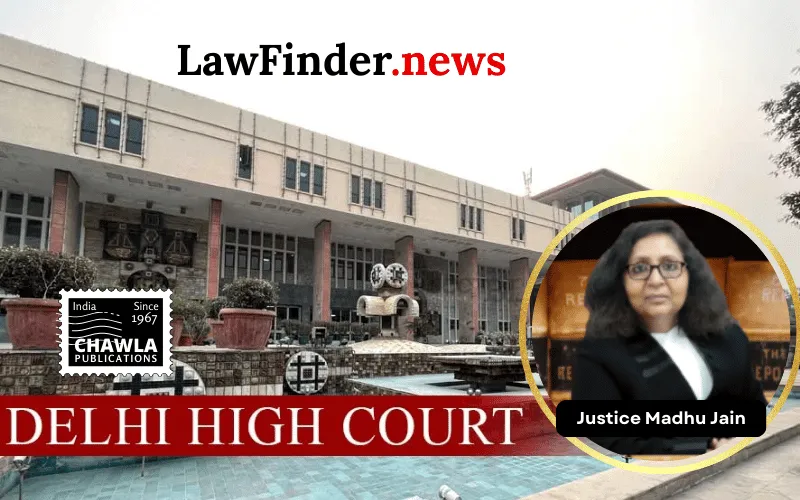
The Sessions Court had previously ruled in favor of Nityam Pharma, declaring the notice invalid and setting aside the summoning order of the Metropolitan Magistrate. However, the Delhi High Court, presided over by Justice Madhu Jain, overturned this decision, emphasizing that the notice was not omnibus in nature and adequately specified the computation of the outstanding amount.
Justice Jain highlighted that the notice need not reflect the face value of the dishonoured cheques if it correctly represents the legally enforceable debt, including part payments. The court reiterated that disputed questions of fact, such as whether the cheques represent a legally enforceable debt, require trial and cannot be conclusively determined at the revision stage.
The judgment has restored the summoning order, allowing MS Pharmaceuticals to proceed with the case in the trial court. The decision underscores the importance of specificity in legal demand notices and clarifies the scope of revisional jurisdiction in cheque dishonour cases.
The trial court is scheduled to hear the case on August 8, 2026, and will adjudicate based on the merits, uninfluenced by prior orders.
Bottom line:-
For a notice under Section 138 of the Negotiable Instruments Act, 1881, the demand for payment must reflect the legally enforceable debt, not necessarily the face value of the dishonoured cheques, provided the notice specifies the computation of the outstanding amount and is not omnibus in nature.
Statutory provision(s): Negotiable Instruments Act, 1881 Section 138, Bharatiya Nagarik Suraksha Sanhita Section 528, Code of Criminal Procedure, 1973 Sections 218, 219, 397
MS Pharmaceuticals v. Nityam Pharma, (Delhi) : Law Finder Doc id # 2938198