Court mandates surprise inspections by social work institutions and holds municipal officers accountable for maintenance and cleanliness of public toilets in MCD zones
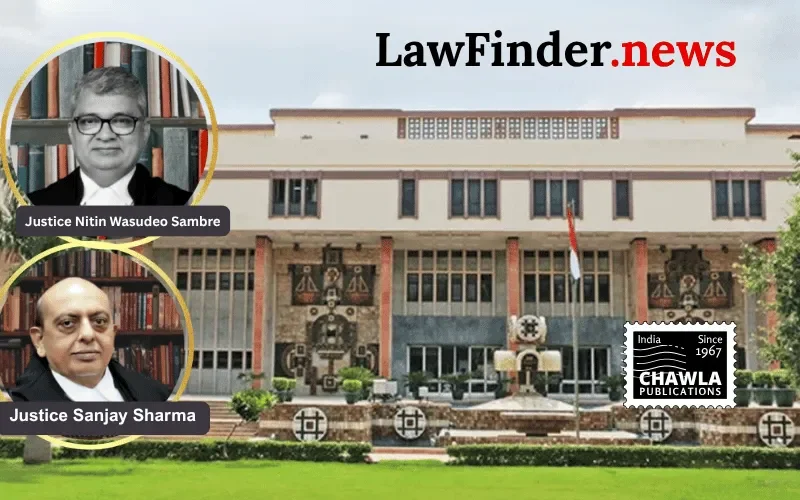
In a landmark judgment delivered on October 16, 2026, the Delhi High Court (Division Bench comprising ACJ Nitin Wasudeo Sambre and Justice Sanjay Sharma) has unequivocally recognized access to hygienic public toilets as an integral component of the Right to Life under Article 21 of the Indian Constitution. The judgment arose from a public interest litigation filed by Jan Seva Welfare Society (Regd) against the Union of India and other municipal authorities concerning the deplorable state and inadequate availability of public sanitation facilities in the Municipal Corporation of Delhi (MCD) area.
The Court noted that beyond the Directive Principles of State Policy, which impose obligations on the State to improve public health and sanitation, the fundamental right to life encompasses the right to access clean and structurally sound public toilets. It underscored that municipal authorities, including MCD, Delhi Jal Board, NDMC, and other stakeholders, bear a statutory duty not only to provide public toilets in sufficient numbers relative to the population but also to ensure their ongoing structural maintenance, hygiene, and cleanliness.
Acknowledging persistent grievances about the poor condition and insufficient availability of toilets, the Court observed that despite various efforts-including pilot projects involving geotagging sanitation facilities and collaborations with institutions in Chennai-the results have been unsatisfactory, leading to repeated complaints.
To address these issues effectively, the Court devised an innovative monitoring mechanism engaging social work educational institutions. It directed the Principals of three prominent Delhi-based social work colleges-the Delhi School of Social Work (Department of Social Work, University of Delhi), Jamia Millia Islamia College of Social Work, and Aditi Mahavidyalaya (University of Delhi)-to deploy teams comprising both male and female students to conduct surprise inspections of public toilets across MCD's 12 zones.
These inspection teams are required to submit detailed reports, including photographic evidence, to the Additional Commissioner in charge of sanitation. The Additional Commissioner is mandated to take prompt remedial action based on these reports and to hold the respective Deputy Commissioners of the zones accountable for any defaults observed. The Court further stipulated that consecutive defaults in maintenance and hygiene would warrant disclosure of proposed disciplinary or corrective actions against the concerned Deputy Commissioner and Chief Engineer responsible for logistical and infrastructural support.
The Court also emphasized the necessity of providing honorarium to the student teams to cover expenses such as conveyance and photography, emphasizing the State's obligation to fund this initiative adequately. A stern warning was issued that failure to provide financial support to this inspection mechanism would attract serious judicial scrutiny.
This judgment marks a significant step toward enhancing accountability and transparency in municipal sanitation services, reinforcing that access to hygienic public toilets is not a matter of privilege but a constitutional right vital to human dignity and health.
The case is scheduled for further hearing on November 2, 2026, by which time the Court expects reports from the educational institutions and the Additional Commissioner (Sanitation).
Bottom Line:
Public toilets - Access to hygienic public toilets forms part of Right to Life - MCD and other authorities are under statutory duty not only to provide public toilets but also to ensure their structural maintenance, hygiene, cleanliness and sufficient availability - High Court devised an independent inspection mechanism through social work institutions and directed accountability of zonal officers for consecutive defaults.
Statutory provision(s):
Article 21, Constitution of India 1950; Directive Principles of State Policy (Articles 39, 42, 47); Municipal Corporation Acts applicable to MCD and related sanitation statutes
Jan Seva Welfare Society (Regd) v. Union of India, (Delhi)(DB) : Law Finder Doc Id # 3001052