Court holds that procedural safeguards under Sections 8-B and 8-C of Commissions of Inquiry Act were violated, impacting petitioners' right to reputation under Article 21
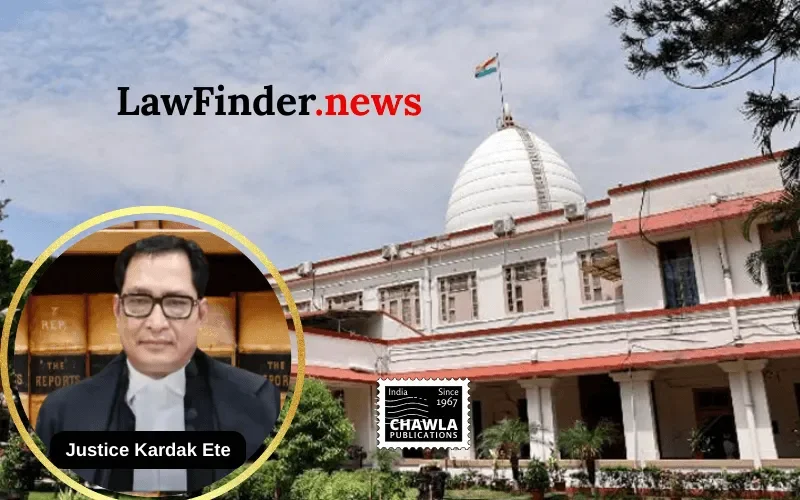
In a significant judgment delivered on September 8, 2026, the Gauhati High Court, presided over by Justice Kardak Ete, set aside certain adverse observations and findings recorded against two candidates, Sunayana Aidew and Kavita Das, in the One Man Commission of Inquiry Report concerning the Combined Competitive Examination, 2013 conducted by the Assam Public Service Commission (APSC).
The Commission, headed by Justice (Retd.) B.K. Sarma, had been established in 2019 to investigate allegations of anomalies and malpractices in the Preliminary and Main Examinations and the selection process, following public outcry and controversy surrounding the final results published in May 2015.
Both petitioners were successful candidates who participated in the examination and held respectable positions thereafter. However, during the inquiry, statements and affidavits, notably by witness Dr. Mrigen Saikia, contained material that allegedly affected the reputation of the petitioners adversely. Despite being issued notices and submitting written responses early in the inquiry process, the petitioners were not given an opportunity to respond to this subsequent material nor allowed to cross-examine witnesses, as required by Sections 8-B and 8-C of the Commissions of Inquiry Act, 1952.
The Court emphasized that these statutory provisions mandate a reasonable opportunity of being heard, the right to cross-examine witnesses, and the right to legal representation for any person whose conduct is being inquired into and whose reputation might be prejudiced by the inquiry. The failure to afford these rights amounted to a violation of the principles of natural justice.
Drawing on precedents from the Supreme Court, including Kiran Bedi v. Committee of Inquiry and State of Bihar v. Lal Krishna Advani, the Court affirmed that the right to reputation is an integral part of the right to life under Article 21 of the Constitution of India. The Court further distinguished between the overall report's fact-finding and remedial suggestions, which serve the public interest, and the adverse personal findings against individuals that require strict procedural compliance.
While the Court did not quash the entire Commission's report, it ordered expungement of the observations and findings specifically prejudicial to the petitioners at pages 505 and 509 of the report. Such expunged material is to have no evidentiary value or effect in any proceedings.
The judgment underscores the critical importance of procedural fairness in commissions of inquiry, especially when reputations and careers are at stake. It reinforces the safeguards enshrined in the Commissions of Inquiry Act and constitutional protections, ensuring that individuals are not condemned unheard.
The writ petitions filed by Sunayana Aidew and Kavita Das were accordingly allowed, with no order as to costs.
Bottom Line:
Sections 8-B and 8-C of the Commissions of Inquiry Act, 1952 ensure statutory rights such as opportunity of being heard, cross-examination of witnesses, and representation by legal counsel to individuals whose conduct is inquired into and whose reputation may be prejudicially affected.
Statutory provision(s):
Sections 3, 8-B, 8-C of the Commissions of Inquiry Act, 1952; Article 21 of the Constitution of India
Sunayana Aidew v. State of Assam, (Gauhati) : Law Finder Doc Id # 2975335