Court Rules Against Sovereign Immunity, Awards Exemplary Damages for Fundamental Rights Violations
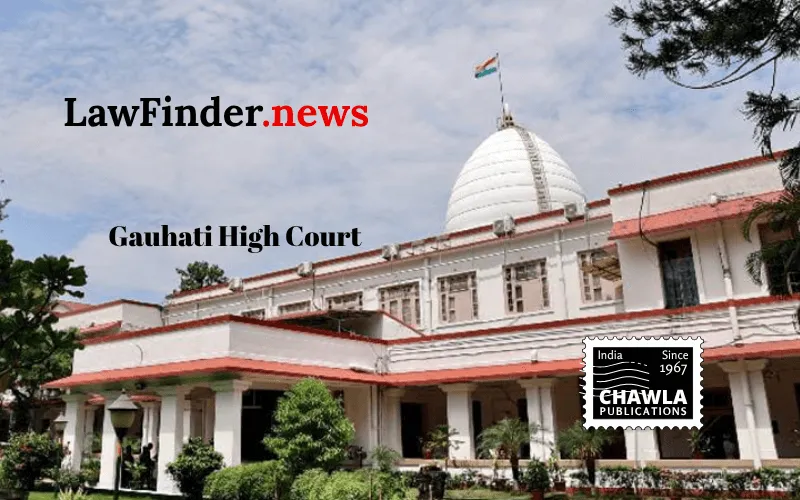
In a landmark judgment, the Gauhati High Court has directed the State of Assam to compensate victims of a police firing incident that occurred at Maibang Railway Station in 2018. The court ordered the State to pay Rs. 3,00,000 each to the families of two deceased victims and Rs. 2,00,000 each to three seriously injured individuals. The incident, which took place during a protest against the proposed inclusion of Dima Hasao district into "Greater Nagalim," resulted in two deaths and multiple injuries.
The court, comprising Justices Kalyan Rai Surana and N. Unni Krishnan Nair, held that the firing by police was a breach of public duty, leading to a violation of the fundamental rights of the victims. In its judgment, the court noted that the compensation is in the nature of exemplary damages borne by the State, emphasizing that the doctrine of sovereign immunity does not apply in cases of fundamental rights violations.
The judgment was in response to a writ petition filed by Richard Sangyung, whose brother was among those injured. The petitioner had challenged the findings of various inquiries into the incident, arguing that they aimed to protect the police and government officials involved. The court, while dismissing the need for further inquiries, upheld the petitioner's claim for compensation under public law, distinct from civil damages.
The State argued that the police action was necessary due to provocation from the protesters, who allegedly engaged in violence and damage to public property. However, the court found that the injuries sustained by the victims indicated excessive use of force, violating their rights under Article 21 of the Constitution.
The decision underscores the court's role in upholding public accountability and providing relief to victims of state actions that contravene human rights and fundamental freedoms. The compensation is to be paid within three months, adding to any previous compensation awarded by the government.
Bottom Line :
Compensation can be awarded in cases of fundamental rights violations due to police misconduct, even when the State claims sovereign immunity. The compensation is borne by the State and is in addition to remedies available under private law.
Statutory provision(s): Article 21, Article 32, Article 226 of the Constitution of India
Richard Sangyung v. State of Assam, (Gauhati)(DB) : Law Finder Doc id # 2969657