New Delhi, Oct 12 The Delhi High Court on Monday sought the city police's stand on a plea by activist Natasha Narwal, who is out on bail in cases arising from the 2020 northeast Delhi riots, seeking permission to travel to the United Kingdom for an academic conference.
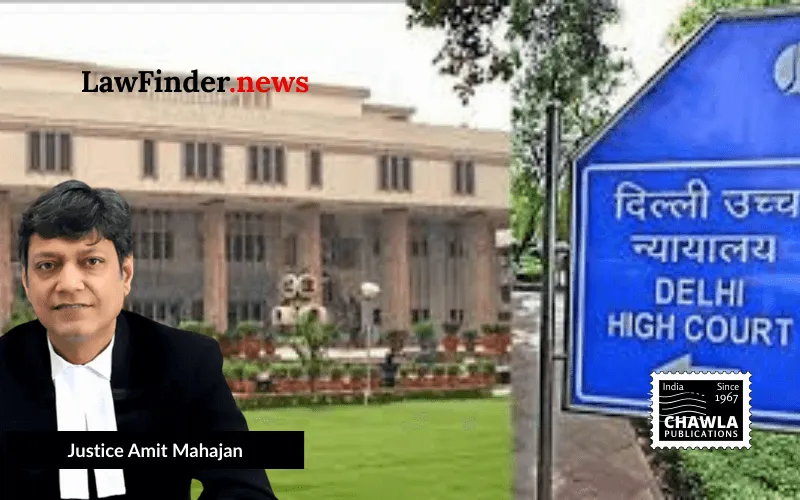
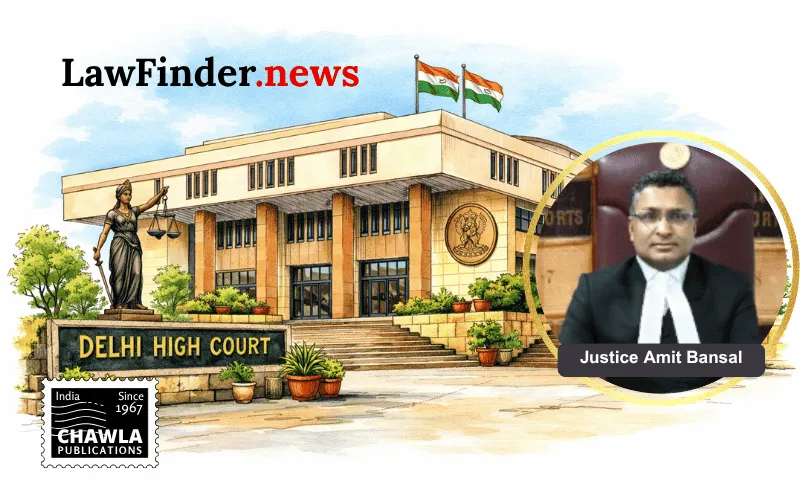
Justice Amit Bansal issued notice on Narwal's petition challenging a trial court order refusing her the relief in the case registered under the anti-terror law UAPA and listed the matter for hearing on October 15.
Narwal's lawyer said she intended to travel to the United Kingdom for a conference between November 2 and December 1.
Her counsel sought an expeditious decision on the plea, stating that she had to apply for a visa after the release of her passport, which was earlier surrendered in view of the criminal proceedings, and also buy tickets.
On October 6, the trial court had refused to permit Narwal to travel to the UK in view of the seriousness of the case against her and the stage of proceedings.
Narwal was named as an accused by Delhi Police in three FIRs registered in connection with the protest during the violence in northeast Delhi in 2020, including the 'larger conspiracy' case under the Unlawful Activities (Prevention) Act (UAPA).
Communal clashes broke out in northeast Delhi on February 24, 2020, after violence between citizenship law supporters and protesters spiralled out of control, leaving at least 53 people dead and around 700 injured.
Narwal, Sharjeel Imam, Khalid Saifi, Umar Khalid and others have been accused of being the "masterminds" behind the violence that took place at a time when US President Donald Trump and other dignitaries were in the national capital.
In June 2021, the high court had granted bail to Narwal and Devangana Kalita in the UAPA case, observing that "in an anxiety to suppress dissent, the state has blurred the line between right to protest and terrorist activity" and if such a mindset gains traction, it would be a "sad day for democracy".