Court emphasizes "No means No" despite long-term relationship; highlights grave injuries and intimidation; directs state to rectify MLC format omitting critical medical opinions.
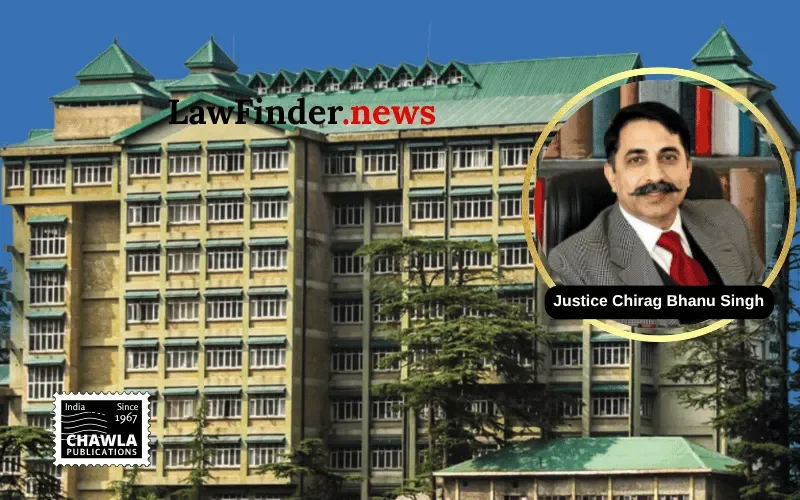
In a significant judgment dated October 12, 2026, the Himachal Pradesh High Court, presided over by Justice Chirag Bhanu Singh, declined anticipatory bail to Tarun Bharota, accused of brutal sexual assault and infliction of burn injuries on his fiancee in Kullu district. The decision underscores that a live-in relationship or engagement does not imply consent for sexual acts, reinforcing that "No means No," even within longstanding relationships.
The petitioner, Tarun Bharota, had filed for anticipatory bail under Section 482 of the Bharatiya Nagarik Suraksha Sanhita, 2023, following FIR No. 130/2026 registered at Police Station Manali. The FIR accused him of sexually ravishing the prosecutrix, who was his fiance and live-in partner since May 2026, assaulting her multiple times, including burning her private parts with a lighter flame, choking her, and causing injuries on various parts of her body.
Despite the couple's prior relationship and engagement, the Court noted that such intimacy does not constitute blanket consent for subsequent sexual acts or violent conduct. The prosecutrix's allegations were prima facie corroborated by the Medico-Legal Certificate (MLC), which documented injuries on the thighs, breast, forearms, and burn marks, adding credibility to her version.
The Court took cognizance of the prosecutrix's complaint that the petitioner continued to intimidate and influence her and other witnesses even after interim protection was granted, further weighing against the grant of anticipatory bail. The delay of two days in lodging the FIR was deemed not fatal at this stage, considering the relationship dynamics.
Justice Singh elaborated on the parameters for anticipatory bail, citing the Supreme Court's judgment in Pratibha Manchanda v. State of Haryana (2023), emphasizing the balance between individual liberty and the interest of justice, public impact, and the need for fair investigation. He observed that the barbaric nature of the assault and ongoing intimidation justified denial of anticipatory bail, though the accused might seek regular bail later.
In a noteworthy part of the judgment, the Court flagged a serious defect in the new medico-legal report format adopted by the State of Himachal Pradesh. The new MLCs lacked crucial columns for the doctor's expert opinion on the nature and probable duration of injuries-vital elements that help correlate medical evidence with the crime timeline. The Court directed the State authorities, including the Principal Secretary Home and Director General of Police, to urgently rectify this omission or revert to the earlier format to ensure medico-legal evidence remains robust and reliable.
The Court also instructed the prosecution to obtain the doctor's opinion on the probable duration of injuries in the present case to strengthen the evidentiary record.
This judgment sends a strong message that consent cannot be presumed from prior relationships and that the justice system will rigorously scrutinize allegations of sexual violence and intimidation. Moreover, it calls attention to procedural deficiencies that could undermine investigations, urging prompt remedial action.
Bottom Line:
Anticipatory bail in rape and assault case declined - Live-in relationship or engagement does not imply consent - "No" means "No" - Prima facie corroboration by MLC and allegations of intimidation after interim protection weighed against grant of anticipatory bail - Court also flagged defect in new MLC format for omission of doctor's opinion on nature and probable duration of injuries.
Statutory provision(s):
Bharatiya Nagarik Suraksha Sanhita, 2023 Section 482; Bharatiya Nyaya Sanhita Sections 64(1), 115(2), 351(2)
Tarun Bharota v. State of HP, (Himachal Pradesh) : Law Finder Doc Id # 2995924