Court stays felling of trees for bypass road near Chatra town, directs reconsideration of road alignment to minimize ecological damage, and involves Central Ministries in the case.
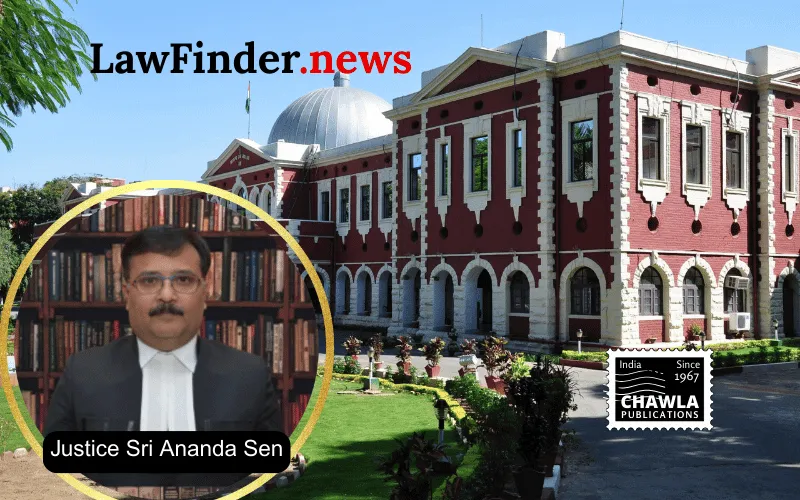
In a landmark judgment dated September 3, 2026, the Jharkhand High Court, presided over by Justice Ananda Sen, has put on hold the proposed construction of a bypass road connecting NH-99 (New NH-22) and NH-100 (New NH-522) near Chatra town, following concerns raised about the large-scale environmental impact of the project. The court was seized of a public interest writ petition filed by Mr. Suresh Sao, who urged the court to consider diverting the road alignment to save approximately 300 full-grown trees on his land. However, upon inspection and submissions by the State’s Executive Engineer, the court was informed that the existing alignment would necessitate cutting down a staggering 13,681 full-grown trees, many located in forest areas.
Recognizing the gravity of the environmental damage such indiscriminate felling would cause, Justice Sen underscored that the loss extends beyond just trees to the entire ecosystem, including flora, fauna, birds, and wildlife dependent on the forest habitat. The judgment emphasized that newly planted saplings cannot replace mature forests for at least a century, highlighting the irreparable damage to biodiversity and environmental balance. The court strongly advocated prioritizing ecological conservation over developmental expediency, even if it means longer travel distances or increased travel time, coining the term "developmental disasters" to describe such projects that sacrifice the environment for short-term gains.
In light of these concerns, the court issued an interim order restraining the cutting of any trees identified for the project until further orders. The State was directed to explore alternative road alignments that would minimize environmental harm. To ensure comprehensive examination, the court also impleaded the Ministry of Environment, Forest & Climate Change and the Ministry of Road Transport and Highways as respondents, instructing them to file their responses within six weeks.
The court’s intervention reflects a growing judicial sensitivity towards environmental protection amid developmental pressures. It recognizes that while infrastructure development is essential, it cannot come at the cost of destroying natural ecosystems, which serve as the lungs of the planet and are crucial for sustaining life. The judgment calls for a sustainable approach where development and environmental conservation coexist, preserving natural heritage for future generations.
The case will be listed again after the Central Ministries file their affidavits. Meanwhile, the construction requiring felling of the identified trees remains stayed.
Bottom Line:
Environmental conservation and ecological balance must be prioritized over indiscriminate developmental projects. Cutting down a large number of full-grown trees impacts not just flora and fauna but the entire ecosystem, necessitating thoughtful alternatives to minimize environmental damage.
Statutory provision(s): Environment Protection Act.
Suresh Sao v. State of Jharkhand, (Jharkhand) : Law Finder Doc Id # 2973671