Court Rules Composite Show Cause Notice-Cum-Suspension Order Violates Natural Justice Under Drugs and Cosmetics Rules, 1945; Permits Business Continuation Except for Specific Drugs Pending Final Decision
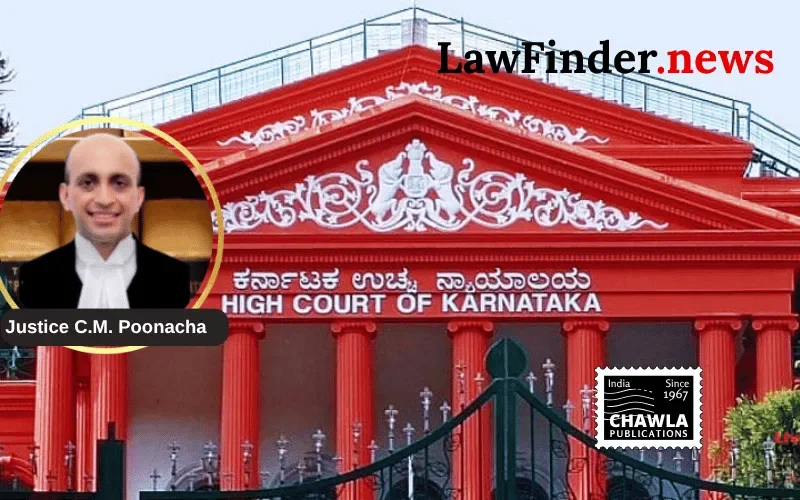
In a significant judgment dated October 1, 2026, the Karnataka High Court, presided over by Justice C.M. Poonacha, set aside the suspension of the drug licence of M/s. Wellness Forever Chemists and Lifestyle Store. The court found the impugned order issued by the Assistant Drugs Controller under Rule 66(1) of the Drugs and Cosmetics Rules, 1945, to be procedurally flawed and violative of the principles of natural justice.
The case arose when Wellness Forever was issued a composite show cause notice-cum-suspension order dated September 19, 2026, alleging that the petitioner procured "Zavicefta Injection" from an unauthorized supply channel, M/s. Viva Pharma, which was not recognized by the original manufacturer, M/s. Pfizer Limited. Consequently, the licensing authority suspended the petitioner's drug licence immediately along with the notice.
The petitioner challenged this composite order before the Karnataka High Court, contending that Rule 66(1) mandates a clear procedural safeguard: before suspending or canceling a drug licence, the licensee must be given a proper opportunity to show cause against the proposed action. The petitioner argued that suspending the licence simultaneously with issuing the show cause notice breached this fundamental legal right.
Justice Poonacha, while hearing the writ petition (No. 30910 of 2026), observed that the plain language of Rule 66(1) of the Drugs and Cosmetics Rules clearly requires the licensing authority to provide the licensee with an opportunity to respond before passing any suspension or cancellation order. The court held that the impugned composite notice-cum-suspension order was contrary to this statutory requirement and therefore could only be treated as a show cause notice.
The court directed the petitioner to be allowed to file an additional reply by October 8, 2026, supplementing the response already submitted on September 21, 2026. The licensing authority was then mandated to consider the petitioner's submissions and pass appropriate orders strictly in accordance with law, after giving due consideration to the licensee's defense.
Furthermore, the court clarified that Rule 66 empowers the authority to suspend or cancel the licence either wholly or partially and that this discretion must be exercised judiciously. Pending the final decision by the authorities, the petitioner was permitted to continue its pharmaceutical distribution business lawfully, except for dealing with the products "Zavicefta and Emblaveo Injection" implicated in the controversy.
The court's order emphasized that this interim relief does not bar the authorities from taking further action under the law after due process. The petitioner was also directed to cooperate fully with the licensing authorities in any lawful proceedings.
This ruling underscores the importance of adherence to the principles of natural justice and procedural fairness in regulatory actions under the Drugs and Cosmetics Act, 1940, and its Rules. It also serves as a reminder to licensing authorities to strictly follow statutory mandates before suspending or canceling licences that affect the livelihood and business operations of pharmaceutical distributors.
Bottom Line:
Drugs and Cosmetics Rules, 1945 - Rule 66(1) mandates that before suspension or cancellation of a drug licence, the licensee must be given an opportunity to show cause - A composite show cause notice-cum-suspension order passed simultaneously is contrary to Rule 66(1) - Such order can be treated only as a show cause notice and authority must thereafter pass appropriate orders in accordance with law.
Statutory provision(s):
Drugs and Cosmetics Act, 1940; Drugs and Cosmetics Rules, 1945 - Rule 66(1)