Cochin Devaswom Board's attempt to take over Ernakulam Thirumala Devaswom management halted by Kerala High Court; compliance with statutory procedures emphasized.
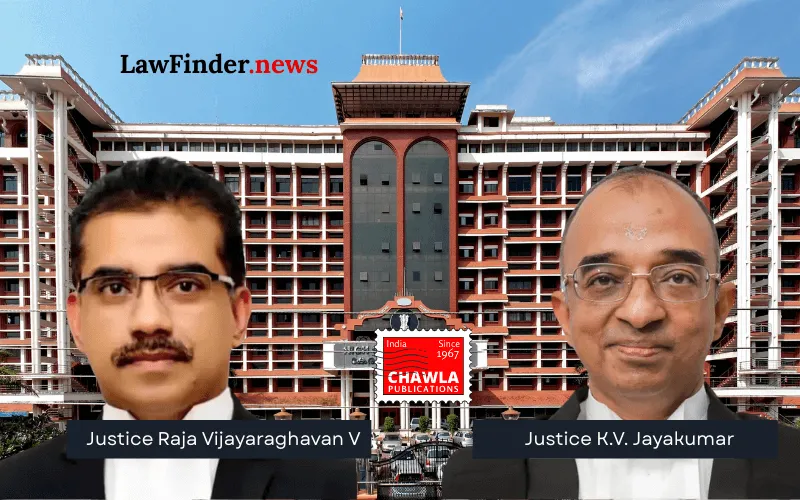
In a significant ruling, the Kerala High Court has quashed the Cochin Devaswom Board's attempts to assume management of the Ernakulam Thirumala Devaswom temple, a prominent denominational temple belonging to the Gowda Saraswath Brahmin Community. The court, comprising Justices Raja Vijayaraghavan V. and K.V. Jayakumar, emphasized that the Board's powers to take over temple management are not absolute and must adhere strictly to the statutory provisions outlined in the Travancore Cochin Hindu Religious Institutions Act, 1950.
The court's decision came in response to a writ petition filed by the Ernakulam Thirumala Devaswom, challenging communications from the Cochin Devaswom Board which suggested a takeover of the temple's management. These communications, Exts. P15 and P20, were issued in February 2017, indicating that the Board intended to conduct a statutory enquiry and potentially assume management of the temple.
The petitioners argued that the Board's actions were arbitrary and unconstitutional, lacking the necessary statutory inquiry and safeguards mandated by the Act. The High Court concurred, stating that the Board's powers under Sections 98A to 98E of the Act are conditional upon compliance with statutory safeguards and proper inquiry under Section 99. The court noted that the use of language in the Board's communications had created unwarranted apprehensions regarding an impending takeover.
In their defense, the Cochin Devaswom Board clarified that the communications were not indicative of a final decision to assume management but were based on a complaint received by the Chief Minister's office. The Board's counsel further clarified that there was no current intention to invoke Sections 98 and 99 to assume management of the temple.
The High Court ruled in favor of the petitioner, quashing the impugned communications. The court mandated that any future proceedings by the Cochin Devaswom Board must strictly comply with the procedural requirements of the Act and respect the statutory rights of the temple management. The court's decision reaffirms the necessity for religious boards to follow statutory procedures meticulously, ensuring transparency and fairness in their actions.
The ruling provides a significant precedent for religious institutions in Kerala, underscoring the importance of statutory adherence and procedural safeguards in the management of temple affairs.
Bottom Line :
The power of the Cochin Devaswom Board to assume the management of a temple is not unfettered and must strictly adhere to the provisions of the Travancore Cochin Hindu Religious Institutions Act, 1950, ensuring compliance with statutory safeguards and prescribed procedures.
Statutory provision(s):
Travancore Cochin Hindu Religious Institutions Act, 1950 - Sections 98, 99, 98A, 98B, 98C, 98D, 98E, 87
Ernakulam Thirumala Devaswom v. Cochin Devaswom Board, (Kerala)(DB) : Law Finder Doc id # 2965806